Salted Anchovies
What is Salted Anchovies?
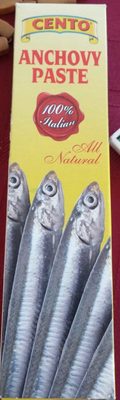
Salted anchovies are small, oily fish that have been preserved by curing in salt. This process removes moisture and concentrates their flavor. They are typically sold filleted and packed in oil or salt.
Is Salted Anchovies vegan?
No. Salted Anchovies is animal-derived, so it is not vegan.
Is Salted Anchovies a major allergen?
Anchovies are a type of fish, which is one of the nine major food allergens identified by the FDA.
What is Salted Anchovies used for?
Manufacturers add salted anchovies to products primarily for their intense savory, or umami, flavor.
Is Salted Anchovies safe?
Salted anchovies are a food ingredient, not a food additive, so they are not subject to FDA approval or GRAS status.
Why it's used
Manufacturers add salted anchovies to products primarily for their intense savory, or umami, flavor. They are often found in sauces, dressings, and prepared dishes to enhance the overall taste. Common applications include salad dressings, pasta sauces, and some condiments.
Health notes
Salted anchovies are a food ingredient, not a food additive, so they are not subject to FDA approval or GRAS status. They are naturally rich in protein and omega-3 fatty acids. Due to the salting process, they are high in sodium, and the FDA recommends a Daily Value of 2,300 mg of sodium per day. Neither JECFA nor EFSA evaluates whole food ingredients like salted anchovies in the same way they do food additives.
Allergen info
Anchovies are a type of fish, which is one of the nine major food allergens identified by the FDA.
Foods that contain Salted Anchovies
Compare products →
Learn more
Auto-generated content. This description was generated automatically and is pending editorial review. Inaccuracies are possible. Found a mistake? Contact us.