Salted Sake
What is Salted Sake?
Salted sake is an alcoholic beverage made from fermented rice, to which salt has been added. It is traditionally made in Japan by brewing rice, water, yeast, and koji mold, and then incorporating salt into the finished product.
Is Salted Sake vegan?
Salted Sake is not animal-derived. Products that contain it can still include other animal-derived ingredients, so check the full ingredient list.
Is Salted Sake gluten-free?
It is also naturally gluten-free.
Is Salted Sake a major allergen?
Salted sake is derived from rice, which is not one of the nine major food allergens identified by the FDA.
What is Salted Sake used for?
Manufacturers use salted sake primarily as a flavoring agent in various dishes.
Is Salted Sake safe?
In the United States, sake is generally recognized as safe (GRAS) by the FDA when used as a food ingredient, and salt is also a GRAS substance.
Why it's used
Manufacturers use salted sake primarily as a flavoring agent in various dishes. It adds umami, depth of flavor, and can also act as a tenderizer for meats. It is commonly found in Asian cuisine, marinades, sauces, soups, and prepared frozen meals.
Health notes
In the United States, sake is generally recognized as safe (GRAS) by the FDA when used as a food ingredient, and salt is also a GRAS substance. The primary health considerations relate to its components: alcohol and sodium. Excessive alcohol consumption carries known health risks, and high sodium intake is linked to elevated blood pressure. JECFA has evaluated sodium chloride (salt) and determined that an acceptable daily intake (ADI) does not need to be specified, as it is a nutrient. Sake itself is not typically evaluated as a food additive by JECFA or EFSA.
Allergen info
Salted sake is derived from rice, which is not one of the nine major food allergens identified by the FDA. It is also naturally gluten-free.
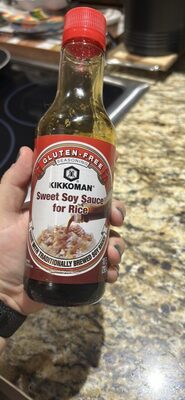
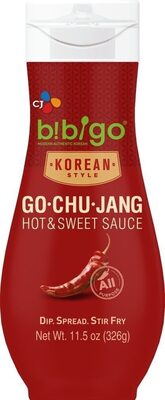
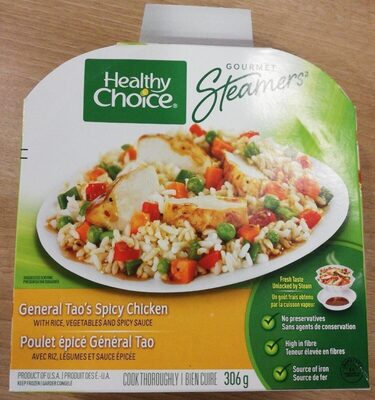
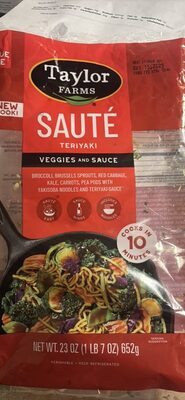
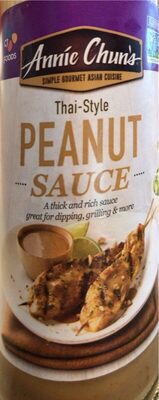
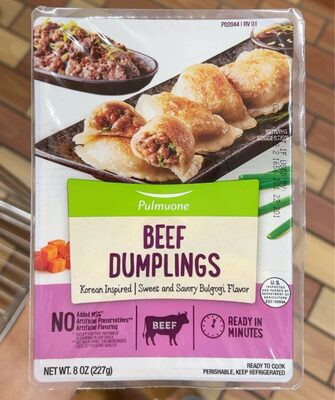
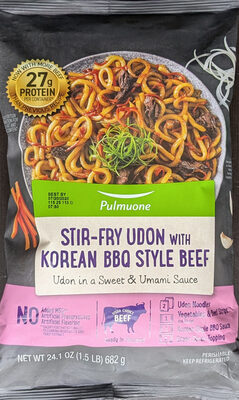
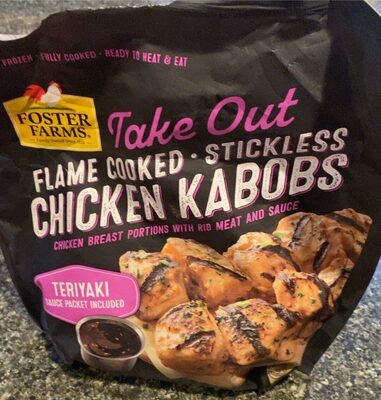
Foods that contain Salted Sake
Compare products →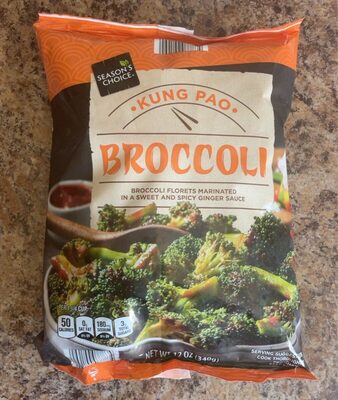
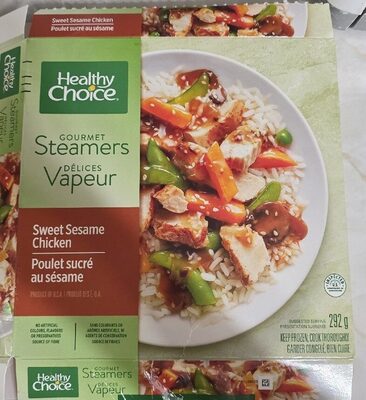
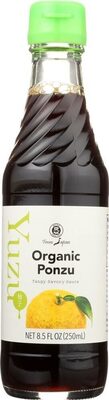
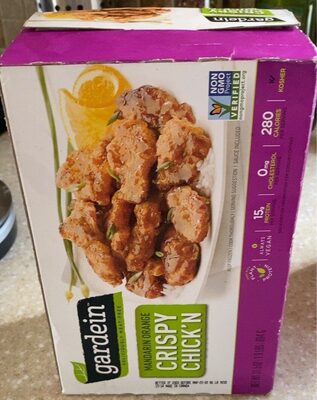
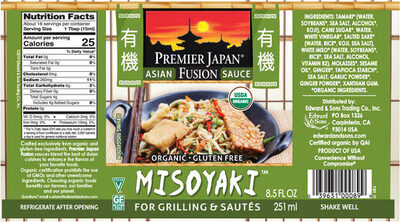
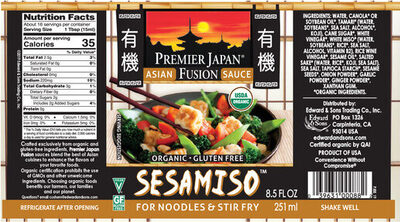
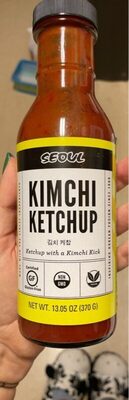
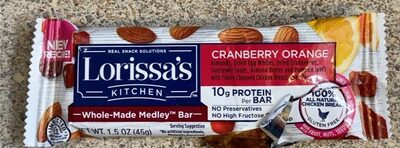
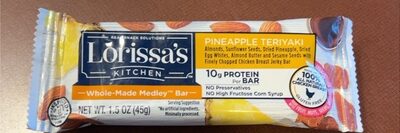
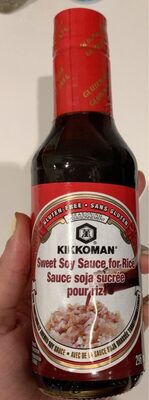
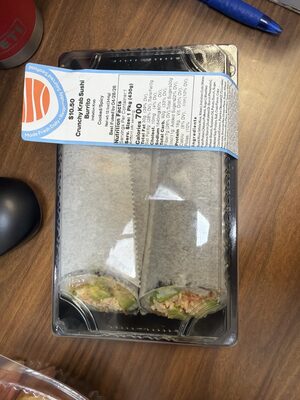
Learn more
Auto-generated content. This description was generated automatically and is pending editorial review. Inaccuracies are possible. Found a mistake? Contact us.