Sandwich Bun
What is Sandwich Bun?
A sandwich bun is a type of bread roll, typically round or oblong, designed to hold sandwich fillings. It is usually made from common baking ingredients such as flour (often wheat), water, yeast, salt, and sometimes sugar, fat, or milk. These ingredients are mixed, kneaded, allowed to rise, shaped, and then baked until golden brown.
Is Sandwich Bun gluten-free?
Most sandwich buns contain wheat, which is a major allergen and contains gluten.
What is Sandwich Bun used for?
Manufacturers use sandwich buns as the primary component for various sandwiches, especially in pre-made or frozen meals.
Is Sandwich Bun safe?
Sandwich buns are regulated by the FDA as a food product.
Why it's used
Manufacturers use sandwich buns as the primary component for various sandwiches, especially in pre-made or frozen meals. They provide structure, texture, and a neutral base for fillings like meats, cheeses, and vegetables. They are commonly found in frozen breakfast sandwiches, burgers, and other handheld meals.
Health notes
Sandwich buns are regulated by the FDA as a food product. Their nutritional content varies depending on ingredients, such as the type of flour (whole grain versus refined), amount of added sugars, and sodium. The Dietary Guidelines for Americans (2025-2030) advise limiting added sugars and saturated fat. The FDA's Daily Value for sodium is 2,300 mg. JECFA and EFSA typically evaluate food additives, not whole food items like buns.
Allergen info
Most sandwich buns contain wheat, which is a major allergen and contains gluten. They may also contain other major allergens such as milk, eggs, or soy, depending on the specific recipe. Sesame is sometimes present as a topping or ingredient.
Foods that contain Sandwich Bun
Compare products →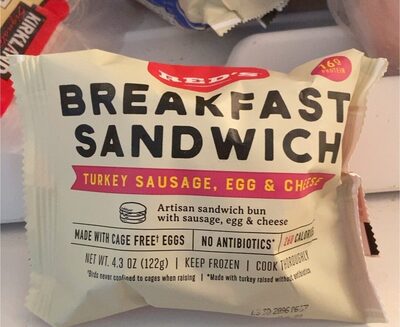 Red's All Natural, LLC
Turkey Sausage, Egg & Cheese Breakfast Sandwich, Turkey Sausage, Egg & Cheese
High in sodium — 28% DV per serving
High in saturated fat — 20% DV per serving
High in cholesterol — 50% DV per serving
213kcal
13.1Protein
8.2Fat
19.7Carbs
Red's All Natural, LLC
Turkey Sausage, Egg & Cheese Breakfast Sandwich, Turkey Sausage, Egg & Cheese
High in sodium — 28% DV per serving
High in saturated fat — 20% DV per serving
High in cholesterol — 50% DV per serving
213kcal
13.1Protein
8.2Fat
19.7Carbs
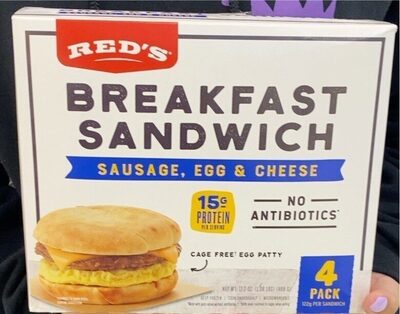 Red's All Natural, LLC
Sausage, Egg & Cheese Breakfast Sandwich
High in sodium — 27% DV per serving
High in saturated fat — 35% DV per serving
High in cholesterol — 50% DV per serving
270kcal
12.3Protein
15.6Fat
19.7Carbs
Red's All Natural, LLC
Sausage, Egg & Cheese Breakfast Sandwich
High in sodium — 27% DV per serving
High in saturated fat — 35% DV per serving
High in cholesterol — 50% DV per serving
270kcal
12.3Protein
15.6Fat
19.7Carbs
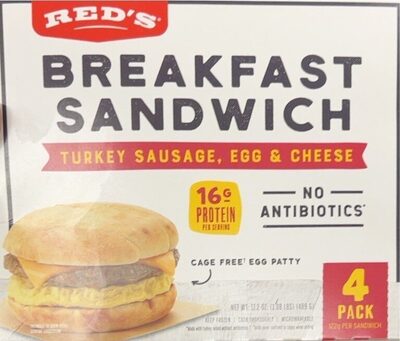 Red's All Natural, LLC
Turkey Sausage, Egg & Cheese Breakfast Sandwich
High in sodium — 28% DV per serving
High in saturated fat — 20% DV per serving
High in cholesterol — 50% DV per serving
213kcal
13.1Protein
8.2Fat
19.7Carbs
Red's All Natural, LLC
Peanut Butter Spread & Strawberry Jam Sandwiches, Peanut Butter Spread & Strawberry Jam
333kcal
11.1Protein
12.7Fat
44.4Carbs
Red's All Natural, LLC
Turkey Sausage, Egg & Cheese Breakfast Sandwich
High in sodium — 28% DV per serving
High in saturated fat — 20% DV per serving
High in cholesterol — 50% DV per serving
213kcal
13.1Protein
8.2Fat
19.7Carbs
Red's All Natural, LLC
Peanut Butter Spread & Strawberry Jam Sandwiches, Peanut Butter Spread & Strawberry Jam
333kcal
11.1Protein
12.7Fat
44.4Carbs
Learn more
Auto-generated content. This description was generated automatically and is pending editorial review. Inaccuracies are possible. Found a mistake? Contact us.