Sauteed Vegetables
What is Sauteed Vegetables?
Sauteed vegetables are fresh vegetables that have been cooked quickly in a small amount of fat, such as oil or butter. This process softens the vegetables and brings out their natural flavors. Common vegetables used include onions, carrots, celery, bell peppers, and mushrooms.
Is Sauteed Vegetables a major allergen?
Not a major allergen.
What is Sauteed Vegetables used for?
Manufacturers use sauteed vegetables to add flavor, texture, and visual appeal to a variety of dishes.
Is Sauteed Vegetables safe?
Sauteed vegetables are a source of vitamins, minerals, and dietary fiber.
Why it's used
Manufacturers use sauteed vegetables to add flavor, texture, and visual appeal to a variety of dishes. They are frequently found in soups, stews, frozen meals, pasta sauces, and side dishes. The sauteing process enhances the savory notes and creates a more complex taste profile.
Health notes
Sauteed vegetables are a source of vitamins, minerals, and dietary fiber. The health benefits are generally associated with the nutritional content of the vegetables themselves. Regulatory bodies like the FDA consider vegetables to be safe for consumption. There are no specific health concerns associated with the sauteing process itself when done with healthy fats and at appropriate temperatures.
Allergen info
Not a major allergen. However, if butter is used in the sauteing process, it would contain milk, which is a major allergen.
Foods that contain Sauteed Vegetables
Compare products →
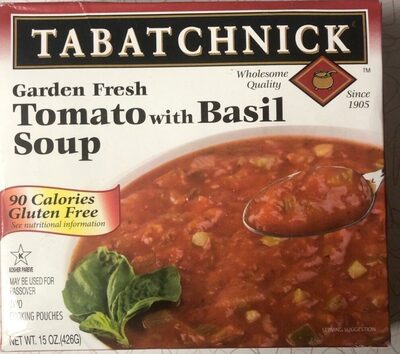
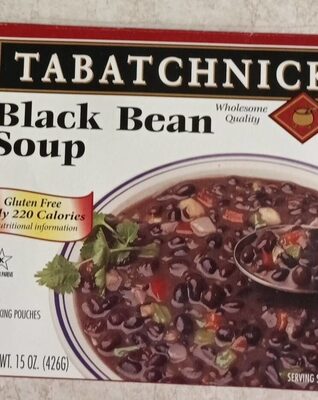
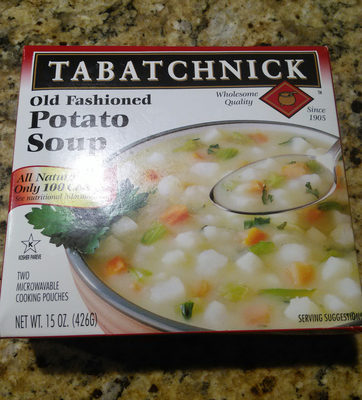
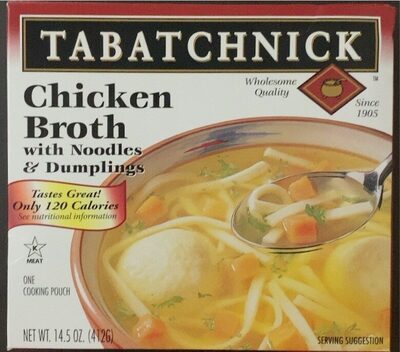

Auto-generated content. This description was generated automatically and is pending editorial review. Inaccuracies are possible. Found a mistake? Contact us.