Sea Salts
What is Sea Salts?
Sea salt is salt produced by the evaporation of ocean water. It is typically harvested through solar evaporation in salt pans. The mineral content of sea salt varies depending on the source of the water and the methods used for harvesting, which can give it different flavors and textures.
Is Sea Salts vegan?
Sea Salts is not animal-derived. Products that contain it can still include other animal-derived ingredients, so check the full ingredient list.
Is Sea Salts gluten-free?
It does not contain gluten.
Is Sea Salts a major allergen?
Sea salt is not derived from any of the nine FDA major allergens.
What is Sea Salts used for?
Manufacturers use sea salt primarily as a flavor enhancer and seasoning.
Is Sea Salts safe?
Sea salt is generally recognized as safe (GRAS) by the FDA for use in food.
Why it's used
Manufacturers use sea salt primarily as a flavor enhancer and seasoning. Its distinct taste and texture can add complexity to foods. It is commonly found in savory products like snacks, sauces, processed meats, and baked goods.
Health notes
Sea salt is generally recognized as safe (GRAS) by the FDA for use in food. It is chemically the same as table salt, primarily sodium chloride. While it contains trace minerals, the amounts are too small to offer significant health benefits. The World Health Organization (WHO) recommends limiting sodium intake to reduce the risk of high blood pressure and cardiovascular disease.
Allergen info
Sea salt is not derived from any of the nine FDA major allergens. It does not contain gluten.
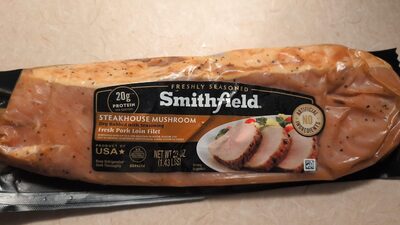
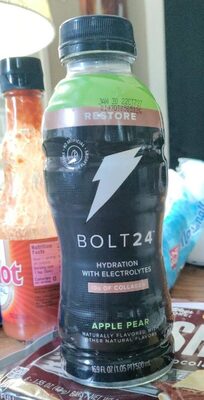
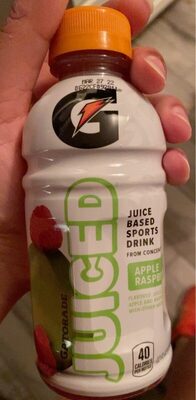
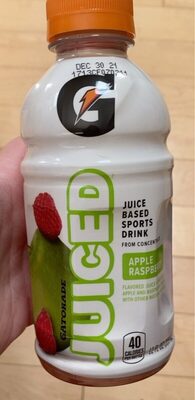
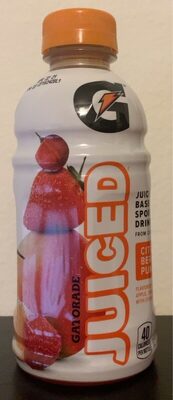
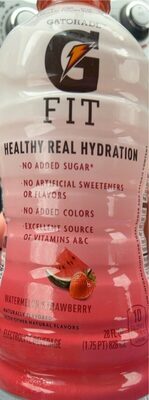
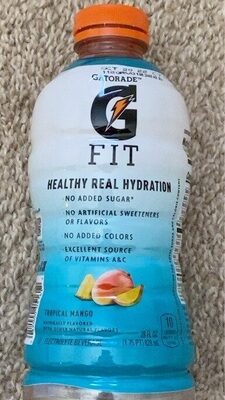
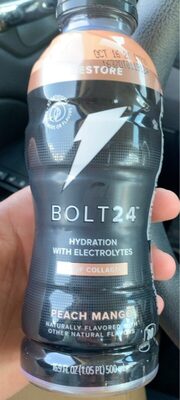
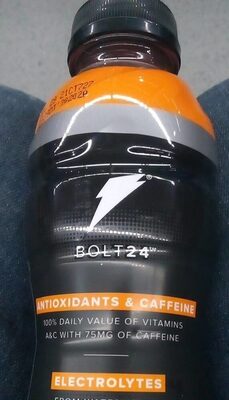
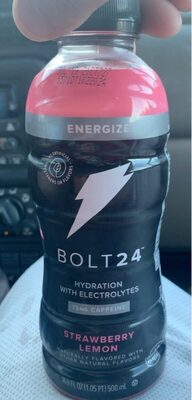
Foods that contain Sea Salts
Compare products →
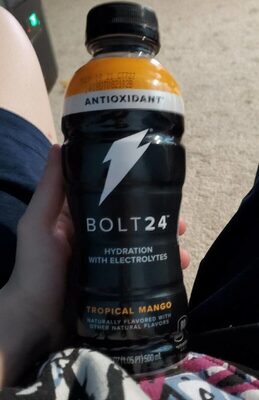
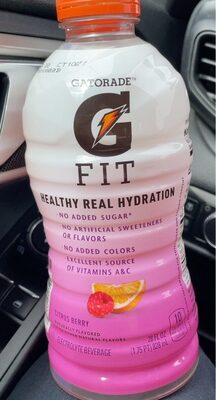
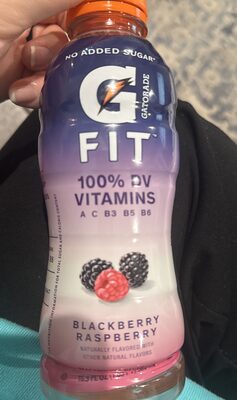
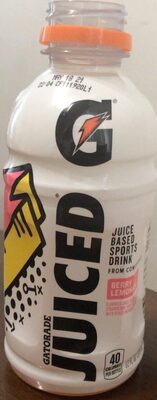
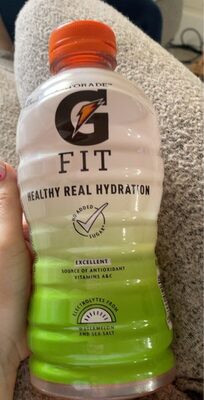
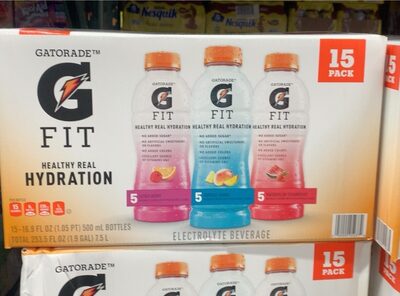
Auto-generated content. This description was generated automatically and is pending editorial review. Inaccuracies are possible. Found a mistake? Contact us.