Vitamin A
What is Vitamin A?
Vitamin A is a fat-soluble vitamin essential for human health. It exists in different forms, including retinoids found in animal products like liver and dairy, and carotenoids (like beta-carotene) found in colorful fruits and vegetables. For food fortification, it is often produced through chemical synthesis or extracted from natural sources.
Is Vitamin A a major allergen?
Not a major allergen.
What is Vitamin A used for?
Manufacturers add Vitamin A to foods to increase their nutritional value and help prevent deficiencies.
Is Vitamin A safe?
The U.S. Food and Drug Administration (FDA) recognizes Vitamin A as an essential nutrient.
Why it's used
Manufacturers add Vitamin A to foods to increase their nutritional value and help prevent deficiencies. It is commonly used to fortify cereals, dairy products, and certain beverages. Its main function is to serve as a nutrient.
Health notes
The U.S. Food and Drug Administration (FDA) recognizes Vitamin A as an essential nutrient. It plays a vital role in maintaining good vision, supporting the immune system, and promoting healthy cell growth. JECFA (the Joint FAO/WHO Expert Committee on Food Additives) has evaluated Vitamin A and set an acceptable daily intake. The US National Academies provides Upper Intake Levels (ULs) for vitamins and minerals. While essential, very high intakes of certain forms of Vitamin A can be harmful, but typical amounts found in fortified foods are considered safe.
Allergen info
Not a major allergen.
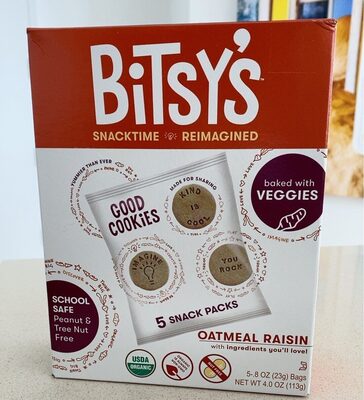
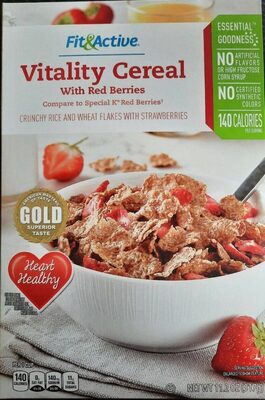
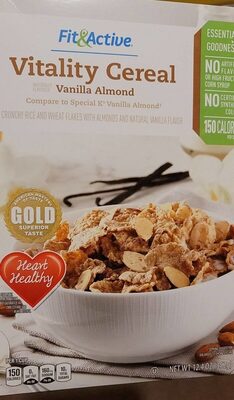
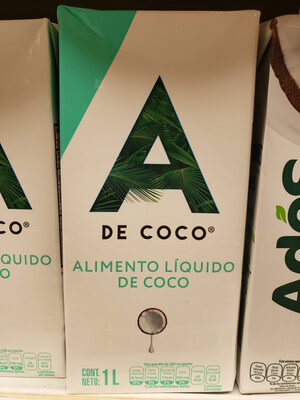
Foods that contain Vitamin A
Compare products →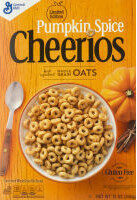

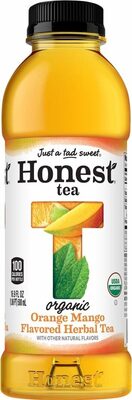
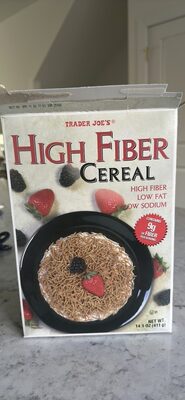
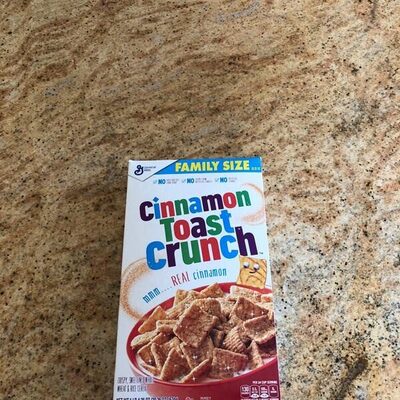
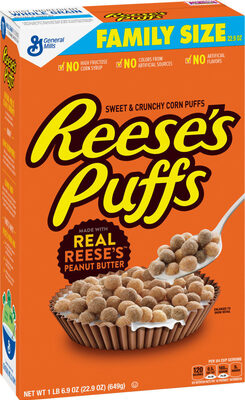
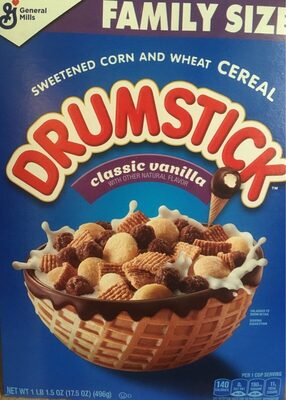
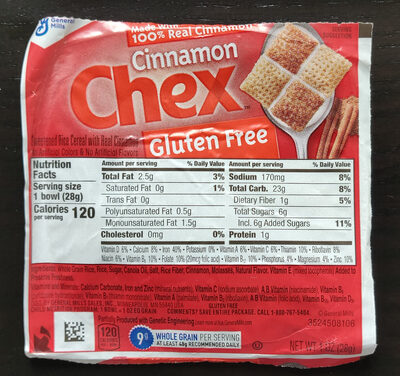
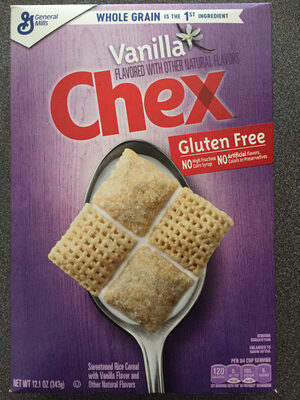
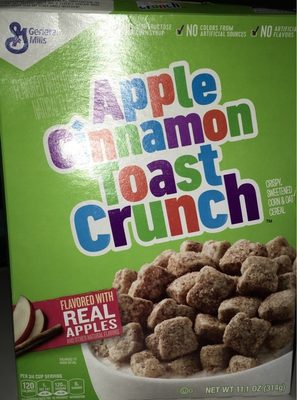
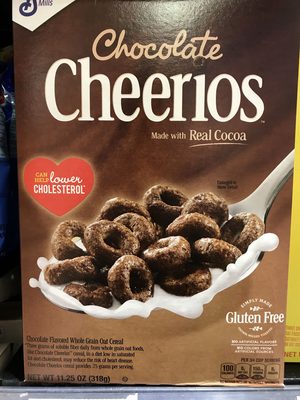
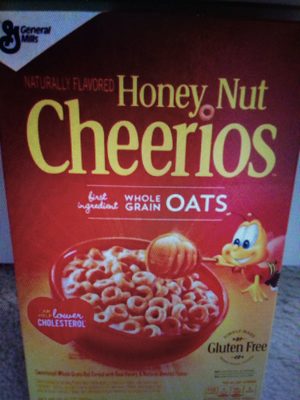
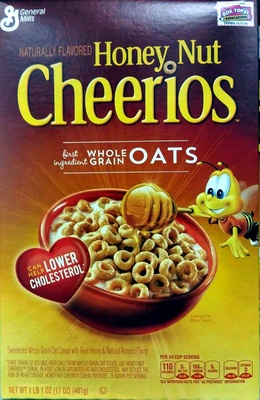
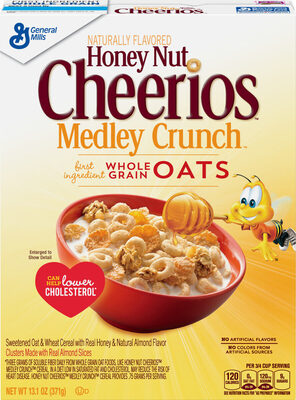
Learn more
Auto-generated content. This description was generated automatically and is pending editorial review. Inaccuracies are possible. Found a mistake? Contact us.