Seal Salt
Auto-generated content. This description was generated automatically and is pending editorial review. Inaccuracies are possible. Found a mistake? Contact us.
What it is
Sea salt is salt harvested from evaporated seawater. It is typically less processed than table salt and may retain trace minerals like magnesium, potassium, and calcium, which can give it a slightly different flavor and texture. The crystals can vary in size and shape depending on how the salt is harvested.
Why it's used
Sea salt is used primarily to enhance the flavor of foods. Its texture can also add a pleasant crunch. It is commonly found in savory snacks like chips and pretzels, as well as in frozen meals and soups.
Health notes
Sea salt is generally recognized as safe (GRAS) by the FDA for use in food. Like all salt, it is a source of sodium, and high sodium intake is linked to high blood pressure. The World Health Organization recommends limiting sodium intake. JECFA has evaluated salt and its components.
Allergen info
Sea salt is not derived from any of the 9 FDA major allergens. It does not contain gluten.
Products containing Seal Salt
Compare products →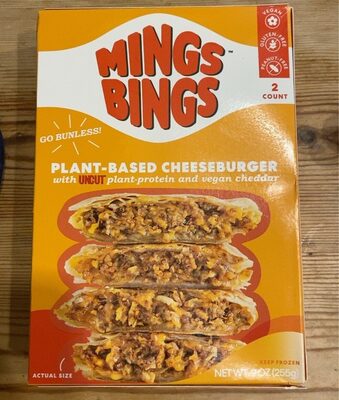 Rollin' n Bowlin' LLC
Plant-Based Cheeseburger
High in saturated fat — 30% DV per serving
211kcal
6.2Protein
12.5Fat
21.1Carbs
Rollin' n Bowlin' LLC
Plant-Based Cheeseburger
High in saturated fat — 30% DV per serving
211kcal
6.2Protein
12.5Fat
21.1Carbs
 The Real Good Food Company LLC
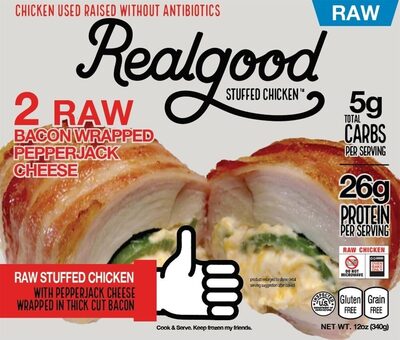
Raw Bacon Wrapped Pepperjack Cheese Stuffed Chicken, Pepper; Parmesan; Mozzarella Cheese
High in sodium — 43% DV per serving
High in saturated fat — 60% DV per serving
High in cholesterol — 42% DV per serving
229kcal
21.2Protein
15.9Fat
0.6Carbs
Excite Foundry Ltd.
Stone's Throw Foods Chickpea Chorizo Fiesta Skillet, 8 Oz
167kcal
6.1Protein
7.0Fat
20.2Carbs
The Real Good Food Company LLC
Raw Bacon Wrapped Pepperjack Cheese Stuffed Chicken, Pepper; Parmesan; Mozzarella Cheese
High in sodium — 43% DV per serving
High in saturated fat — 60% DV per serving
High in cholesterol — 42% DV per serving
229kcal
21.2Protein
15.9Fat
0.6Carbs
Excite Foundry Ltd.
Stone's Throw Foods Chickpea Chorizo Fiesta Skillet, 8 Oz
167kcal
6.1Protein
7.0Fat
20.2Carbs
 Carbone Fine Food, LLC
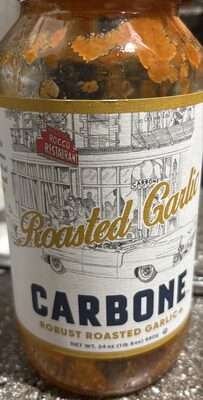
Roasted Garlic Sauce
88kcal
0.9Protein
6.2Fat
6.2Carbs
Carbone Fine Food, LLC
Roasted Garlic Sauce
88kcal
0.9Protein
6.2Fat
6.2Carbs