Seasoned
Auto-generated content. This description was generated automatically and is pending editorial review. Inaccuracies are possible. Found a mistake? Contact us.
What it is
Seasoned is a broad term used to describe food that has had salt, spices, herbs, or other flavorings added to it. The specific ingredients used for seasoning can vary widely depending on the desired taste profile. Seasoning is a fundamental step in cooking to enhance the natural flavors of food.
Why it's used
Manufacturers add seasonings to improve the palatability and taste of food products. They are used in a vast array of foods, including processed meats, soups, sauces, snacks, and frozen meals. Seasonings can also help to mask undesirable flavors or provide a specific ethnic or regional taste.
Health notes
Seasonings themselves are generally considered safe when used as intended. The FDA regulates the safety of food additives, including many common spices and flavorings. Regulatory bodies like the Joint FAO/WHO Expert Committee on Food Additives (JECFA) and the European Food Safety Authority (EFSA) evaluate food ingredients for safety. While most seasonings are recognized as safe, excessive intake of sodium, often added as salt for seasoning, is linked to high blood pressure by health organizations.
Allergen info
Depending on the specific seasonings used, some may be derived from major allergens like wheat (e.g., soy sauce powder) or sesame. However, 'seasoned' itself does not indicate a major allergen. Gluten may be present if wheat-based ingredients are used in the seasoning blend.
Products containing Seasoned
Compare products →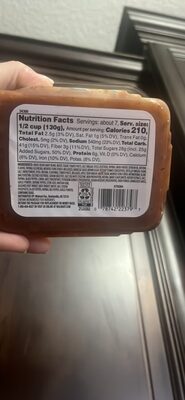 Wal-Mart Stores, Inc.
BBQ Baked Beans With Brisket In Sauce, BBQ With Brisket In Sauce
High in sodium — 23% DV per serving
High in added sugars — 50% DV per serving
162kcal
4.6Protein
1.9Fat
31.5Carbs
BJ's Wholesale Club / Corporate Brands
Grilled White Chicken Ravioli Stuffed With All White Meat Chicken And Fresh Mozzarella Cheese, Grilled White Chicken
230kcal
15Protein
7Fat
25Carbs
M.C.I. Foods, Inc.
Burrito Grilled Chicken, Cheese, Rice Iw Cn
High in sodium — 20% DV per serving
184kcal
11.4Protein
5.7Fat
21.9Carbs
Wal-Mart Stores, Inc.
BBQ Baked Beans With Brisket In Sauce, BBQ With Brisket In Sauce
High in sodium — 23% DV per serving
High in added sugars — 50% DV per serving
162kcal
4.6Protein
1.9Fat
31.5Carbs
BJ's Wholesale Club / Corporate Brands
Grilled White Chicken Ravioli Stuffed With All White Meat Chicken And Fresh Mozzarella Cheese, Grilled White Chicken
230kcal
15Protein
7Fat
25Carbs
M.C.I. Foods, Inc.
Burrito Grilled Chicken, Cheese, Rice Iw Cn
High in sodium — 20% DV per serving
184kcal
11.4Protein
5.7Fat
21.9Carbs