Seed Flour Blend
What is Seed Flour Blend?
A seed flour blend is a mix of flours made from various seeds, such as flax, chia, sunflower, or pumpkin seeds. These seeds are typically ground into a fine powder. Seed flours are often used as an alternative to traditional grain flours.
Is Seed Flour Blend vegan?
Seed Flour Blend is not animal-derived. Products that contain it can still include other animal-derived ingredients, so check the full ingredient list.
Is Seed Flour Blend gluten-free?
Gluten is not present in seed flours.
Is Seed Flour Blend a major allergen?
Seed flours are not derived from the 9 major allergens.
What is Seed Flour Blend used for?
Seed flour blends are used to add texture, fiber, and nutrients to baked goods like crackers, breads, and muffins.
Is Seed Flour Blend safe?
Seed flour blends are generally recognized as safe (GRAS) by the FDA when used as food ingredients.
Why it's used
Seed flour blends are used to add texture, fiber, and nutrients to baked goods like crackers, breads, and muffins. They can also serve as a binder or thickener in recipes. Manufacturers use them to create gluten-free or grain-free product options.
Health notes
Seed flour blends are generally recognized as safe (GRAS) by the FDA when used as food ingredients. They are a source of fiber and healthy fats. Regulatory bodies like JECFA and EFSA have evaluated many individual seeds and their components, generally finding them safe for consumption. No specific health concerns are associated with typical intake of seed flour blends.
Allergen info
Seed flours are not derived from the 9 major allergens. However, depending on the specific seeds used, some individuals may have allergies to certain seeds, such as sesame. Gluten is not present in seed flours.
Foods that contain Seed Flour Blend
Compare products →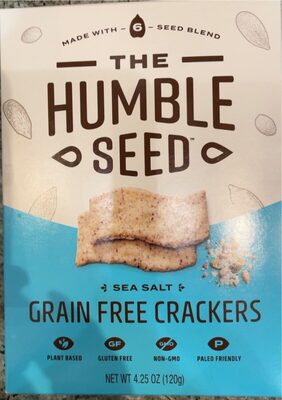 Fourth World Foods, LLC
Sea Salt Grain Free Crackers, Sea Salt
500kcal
10.7Protein
32.1Fat
50Carbs
Fourth World Foods, LLC
Sea Salt Grain Free Crackers, Sea Salt
500kcal
10.7Protein
32.1Fat
50Carbs
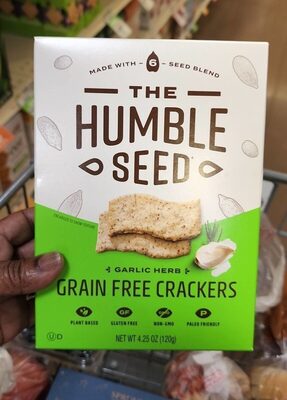 Fourth World Foods, LLC
Garlic Herb Grain Free Crackers, Garlic Herb
500kcal
10.7Protein
28.6Fat
50Carbs
Fourth World Foods, LLC
Garlic Herb Grain Free Crackers, Garlic Herb
500kcal
10.7Protein
28.6Fat
50Carbs
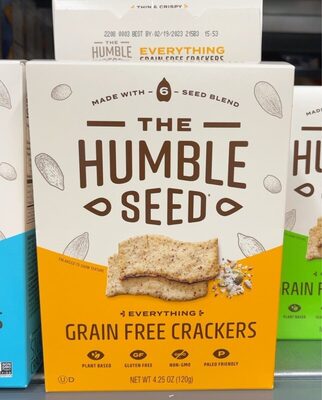 Fourth World Foods, LLC
Everything Grain Free Crackers, Everything
500kcal
10.7Protein
32.1Fat
50Carbs
Fourth World Foods, LLC
Everything Grain Free Crackers, Everything
500kcal
10.7Protein
32.1Fat
50Carbs
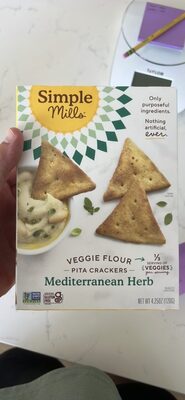 Simple Mills
Mediterranean Herb Veggie Pita Crackers, Mediterranean Herb
500kcal
6.7Protein
20Fat
66.7Carbs
Simple Mills
Mediterranean Herb Veggie Pita Crackers, Mediterranean Herb
500kcal
6.7Protein
20Fat
66.7Carbs
Learn more
Auto-generated content. This description was generated automatically and is pending editorial review. Inaccuracies are possible. Found a mistake? Contact us.