Seed Protein
What is Seed Protein?
Seed protein is a plant-based protein derived from seeds like soy, pea, or pumpkin. It is typically made by grinding seeds into a flour, then separating the protein from the carbohydrates and fats through processes like washing, filtering, and drying. The resulting powder is a concentrated source of protein.
Is Seed Protein vegan?
Seed Protein is not animal-derived. Products that contain it can still include other animal-derived ingredients, so check the full ingredient list.
Is Seed Protein gluten-free?
Gluten is not typically present in seed proteins unless cross-contamination occurs during processing.
Is Seed Protein a major allergen?
Seed protein is not a major allergen unless derived from soy or sesame seeds, which are among the 9 FDA major allergens.
What is Seed Protein used for?
Manufacturers add seed protein to foods as a plant-based protein source, often to boost the protein content of products.
Is Seed Protein safe?
Seed protein is generally recognized as safe (GRAS) by the FDA when used as a food ingredient.
Why it's used
Manufacturers add seed protein to foods as a plant-based protein source, often to boost the protein content of products. It is commonly found in protein powders, bars, meat alternatives, and baked goods. Its neutral flavor and ability to blend well make it a versatile ingredient in many food formulations.
Health notes
Seed protein is generally recognized as safe (GRAS) by the FDA when used as a food ingredient. It is a nutrient source, providing essential amino acids. International bodies like JECFA have evaluated various plant proteins, and while specific evaluations for 'seed protein' as a broad category are not always distinct, proteins from common sources like soy and pea are widely consumed and studied. Evidence suggests that plant-based proteins can be part of a healthy diet.
Allergen info
Seed protein is not a major allergen unless derived from soy or sesame seeds, which are among the 9 FDA major allergens. Gluten is not typically present in seed proteins unless cross-contamination occurs during processing.
Foods that contain Seed Protein
Compare products →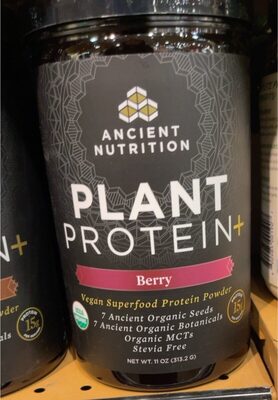
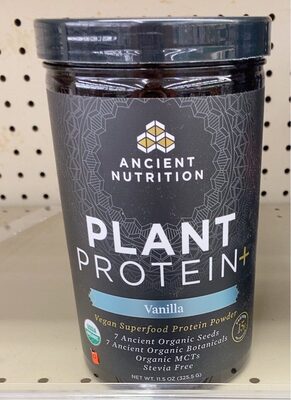
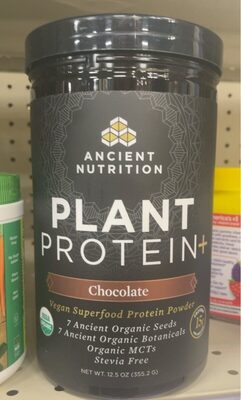
Learn more
Auto-generated content. This description was generated automatically and is pending editorial review. Inaccuracies are possible. Found a mistake? Contact us.