Semolina Wheat Flour
What is Semolina Wheat Flour?
Semolina wheat flour is a coarse flour made from durum wheat, a hard type of wheat. It is produced by grinding the endosperm, the starchy part of the wheat kernel, after the bran and germ have been removed. This process results in a granular flour with a yellowish color.
Is Semolina Wheat Flour vegan?
Semolina Wheat Flour is not animal-derived. Products that contain it can still include other animal-derived ingredients, so check the full ingredient list.
Is Semolina Wheat Flour gluten-free?
It contains gluten.
Is Semolina Wheat Flour a major allergen?
Semolina wheat flour is derived from wheat, which is one of the nine major food allergens identified by the FDA.
What is Semolina Wheat Flour used for?
Manufacturers use semolina wheat flour primarily for its ability to create firm and elastic dough.
Is Semolina Wheat Flour safe?
Semolina wheat flour is a common food ingredient and not regulated as a food additive by the FDA.
Why it's used
Manufacturers use semolina wheat flour primarily for its ability to create firm and elastic dough. It is a key ingredient in pasta, couscous, and some types of bread, providing structure and a slightly chewy texture. It is also used in puddings and porridges.
Health notes
Semolina wheat flour is a common food ingredient and not regulated as a food additive by the FDA. As a wheat product, it is a source of carbohydrates and protein. There are no specific health controversies associated with semolina itself beyond those related to wheat consumption in general, such as gluten sensitivity or celiac disease.
Allergen info
Semolina wheat flour is derived from wheat, which is one of the nine major food allergens identified by the FDA. It contains gluten.
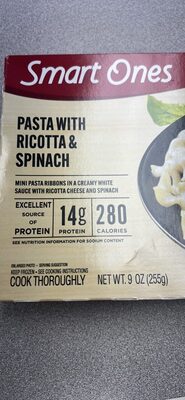
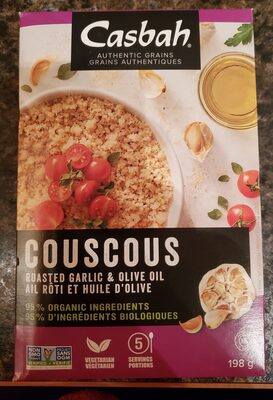
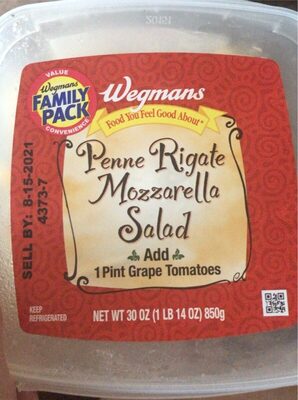
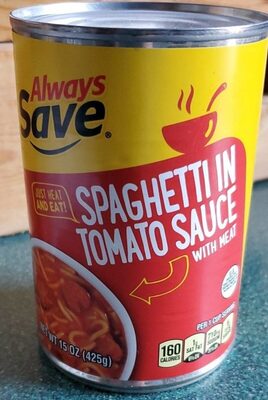
Foods that contain Semolina Wheat Flour
Compare products →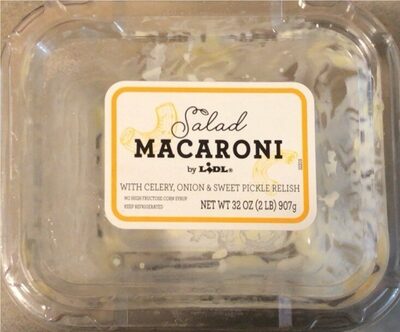 LIDL
Classic Macaroni Salad
High in sodium — 33% DV per serving
200kcal
3.6Protein
12.9Fat
18.6Carbs
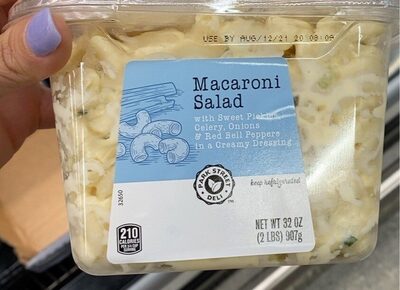
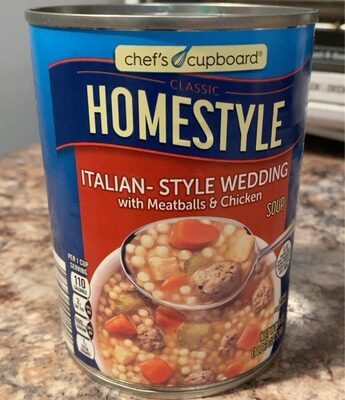
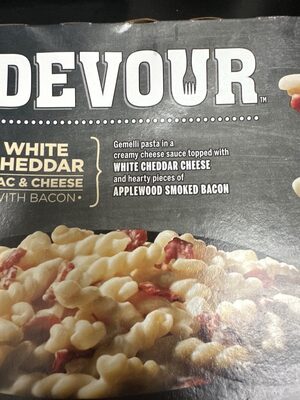
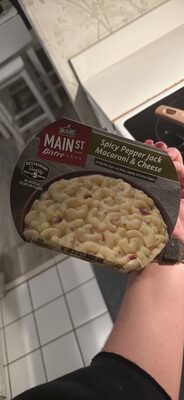
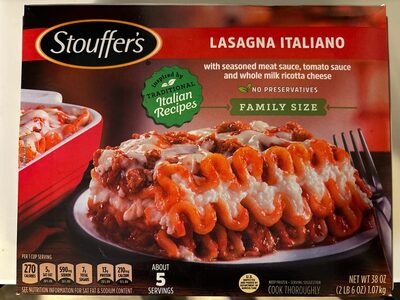
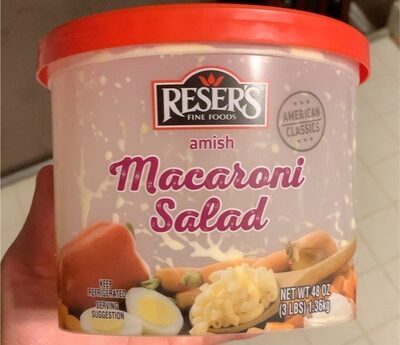
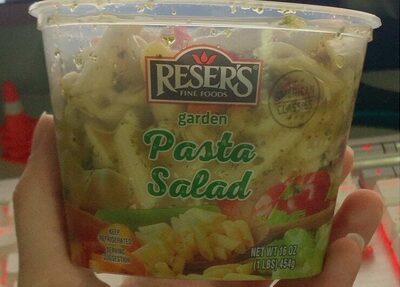
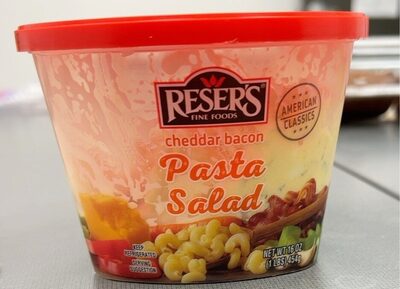
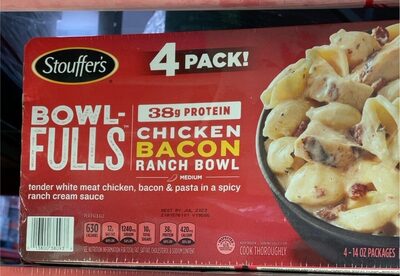
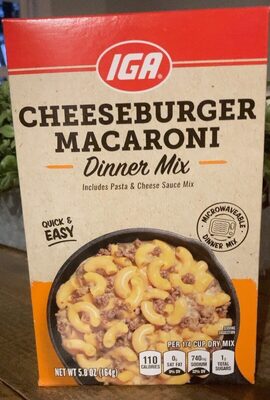
Learn more
Auto-generated content. This description was generated automatically and is pending editorial review. Inaccuracies are possible. Found a mistake? Contact us.