Sesame Protein
Auto-generated content. This description was generated automatically and is pending editorial review. Inaccuracies are possible. Found a mistake? Contact us.
What it is
Sesame protein is derived from sesame seeds, which are the tiny seeds of the Sesamum indicum plant. The protein is typically extracted from defatted sesame meal, a byproduct of sesame oil production, and then processed into a powder.
Why it's used
Manufacturers add sesame protein to food products to boost their protein content. It is often found in plant-based milk alternatives, protein bars, and baked goods, where it can also contribute to texture and binding.
Health notes
Sesame protein is generally recognized as safe (GRAS) by the FDA for use in food. Regulatory bodies like JECFA have evaluated sesame protein and its derivatives. While generally considered safe at typical consumption levels, sesame is one of the major food allergens.
Allergen info
Sesame is one of the 9 major food allergens recognized by the FDA. Products containing sesame protein must be labeled accordingly.
Products containing Sesame Protein
Compare products →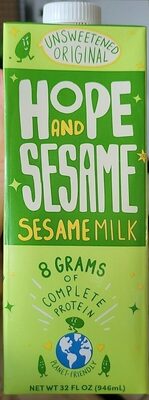 SnackHack, LLC
Unsweetened Original Sesamemilk, Unsweetened Original
38kcal
3.3Protein
2.1Fat
0.8Carbs
SnackHack, LLC
Unsweetened Original Sesamemilk, Unsweetened Original
38kcal
3.3Protein
2.1Fat
0.8Carbs
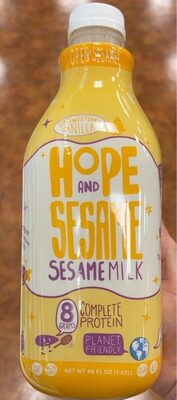 SnackHack, LLC
Unsweetened Vanilla! Sesamemilk, Unsweetened Vanilla!
38kcal
3.3Protein
2.1Fat
0.8Carbs
SnackHack, LLC
Unsweetened Vanilla! Sesamemilk, Unsweetened Vanilla!
38kcal
3.3Protein
2.1Fat
0.8Carbs
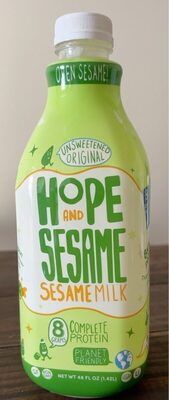 SnackHack, LLC
Unsweetened Original Sesamemilk, Unsweetened Original
38kcal
3.3Protein
2.1Fat
0.8Carbs
SnackHack, LLC
Unsweetened Original Sesamemilk, Unsweetened Original
38kcal
3.3Protein
2.1Fat
0.8Carbs
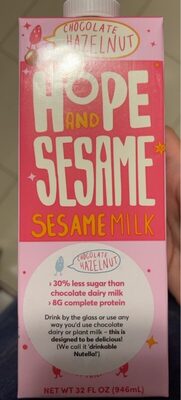 SnackHack, LLC
Chocolate Hazelnut Sesamemilk, Chocolate Hazelnut
High in added sugars — 34% DV per serving
67kcal
3.3Protein
2.1Fat
8.3Carbs
SnackHack, LLC
Vanilla! Sesamemilk, Vanilla!
High in added sugars — 22% DV per serving
54kcal
3.3Protein
2.1Fat
5.4Carbs
SnackHack, LLC
Chocolate Hazelnut Sesamemilk, Chocolate Hazelnut
High in added sugars — 34% DV per serving
67kcal
3.3Protein
2.1Fat
8.3Carbs
SnackHack, LLC
Vanilla! Sesamemilk, Vanilla!
High in added sugars — 22% DV per serving
54kcal
3.3Protein
2.1Fat
5.4Carbs
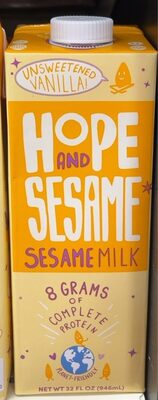 SnackHack, LLC
Unsweetened Vanilla! Sesamemilk, Unsweetened Vanilla!
38kcal
3.3Protein
2.1Fat
0.8Carbs
SnackHack, LLC
Unsweetened Vanilla! Sesamemilk, Unsweetened Vanilla!
38kcal
3.3Protein
2.1Fat
0.8Carbs
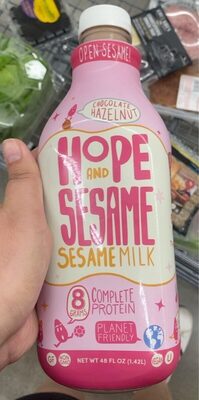 SnackHack, LLC
Chocolate Hazelnut Sesamemilk, Chocolate Hazelnut
High in added sugars — 34% DV per serving
67kcal
3.3Protein
2.1Fat
8.3Carbs
SnackHack, LLC
Original! Sesamemilk, Original!
46kcal
3.3Protein
2.1Fat
3.8Carbs
SnackHack, LLC
Chocolate! Sesamemilk, Chocolate!
High in added sugars — 34% DV per serving
67kcal
3.3Protein
2.1Fat
8.3Carbs
Well-Bean Coffee & Crumbs, LLC.
Superseed Butter Skinny Truffle, Superseed Butter
500kcal
8.3Protein
37.5Fat
50Carbs
SnackHack, LLC
Chocolate Hazelnut Sesamemilk, Chocolate Hazelnut
High in added sugars — 34% DV per serving
67kcal
3.3Protein
2.1Fat
8.3Carbs
SnackHack, LLC
Original! Sesamemilk, Original!
46kcal
3.3Protein
2.1Fat
3.8Carbs
SnackHack, LLC
Chocolate! Sesamemilk, Chocolate!
High in added sugars — 34% DV per serving
67kcal
3.3Protein
2.1Fat
8.3Carbs
Well-Bean Coffee & Crumbs, LLC.
Superseed Butter Skinny Truffle, Superseed Butter
500kcal
8.3Protein
37.5Fat
50Carbs