Sesame Tahini
What is Sesame Tahini?
Sesame tahini is a paste made from ground, roasted sesame seeds. It is a staple in Middle Eastern cuisine and is produced by grinding the seeds until they form a smooth, creamy paste. The roasting process enhances the nutty flavor of the sesame seeds.
Is Sesame Tahini vegan?
Sesame Tahini is not animal-derived. Products that contain it can still include other animal-derived ingredients, so check the full ingredient list.
Is Sesame Tahini gluten-free?
It does not contain gluten.
Is Sesame Tahini a major allergen?
Sesame is one of the nine major food allergens recognized by the FDA.
What is Sesame Tahini used for?
Tahini is used as a key ingredient in hummus and baba ghanoush, providing a rich, nutty flavor and creamy texture.
Is Sesame Tahini safe?
Sesame tahini is generally recognized as safe (GRAS) by the FDA when used as a food ingredient.
Why it's used
Tahini is used as a key ingredient in hummus and baba ghanoush, providing a rich, nutty flavor and creamy texture. It can also be used as a base for dressings, sauces, and marinades, or drizzled over various dishes for added flavor and richness. Manufacturers use it primarily for its distinct flavor and emulsifying properties.
Health notes
Sesame tahini is generally recognized as safe (GRAS) by the FDA when used as a food ingredient. It is a good source of healthy fats, protein, and minerals like calcium and iron. International bodies like JECFA have evaluated sesame and its derivatives, but specific evaluations for tahini as a distinct food ingredient may vary. Evidence suggests that components in sesame seeds may have antioxidant properties.
Allergen info
Sesame is one of the nine major food allergens recognized by the FDA. Therefore, tahini is a major allergen. It does not contain gluten.
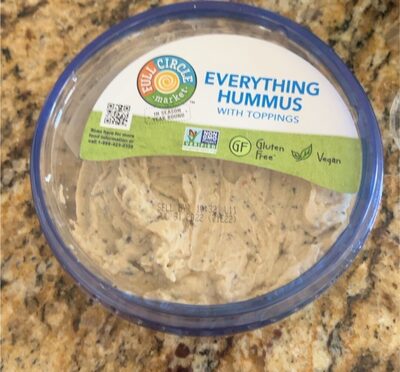
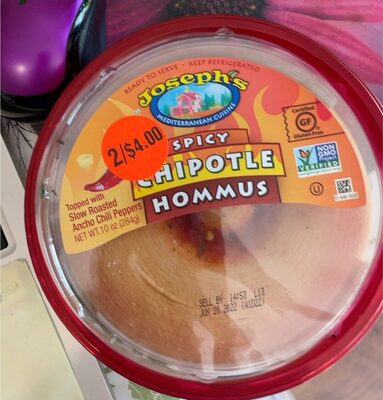
Foods that contain Sesame Tahini
Compare products →

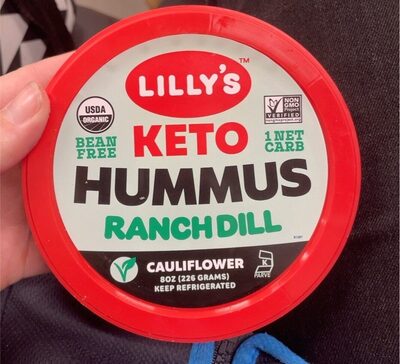



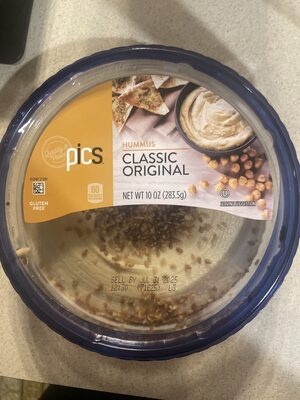
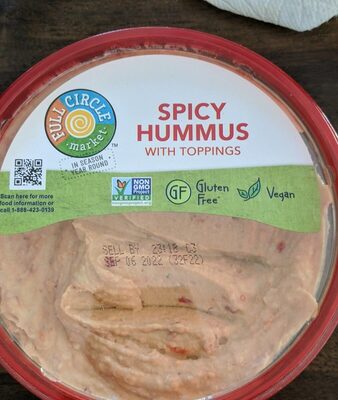

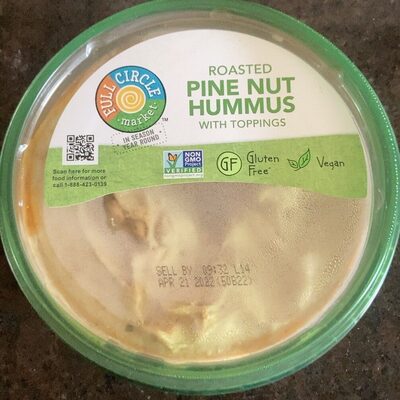





Learn more
Auto-generated content. This description was generated automatically and is pending editorial review. Inaccuracies are possible. Found a mistake? Contact us.