Shea Fat
What is Shea Fat?
Shea fat is a fat derived from the nut of the African shea tree. The nuts are typically roasted, shelled, and then pressed or ground to extract the fat. The extracted fat is then purified and refined for use in food products.
Is Shea Fat vegan?
Shea Fat is not animal-derived. Products that contain it can still include other animal-derived ingredients, so check the full ingredient list.
Is Shea Fat a major allergen?
Shea fat is derived from the shea nut, which is a tree nut.
What is Shea Fat used for?
Shea fat is used as a fat or oil in food manufacturing, often as a substitute for cocoa butter in chocolate products.
Is Shea Fat safe?
Shea fat is generally recognized as safe (GRAS) by the FDA for use in food.
Why it's used
Shea fat is used as a fat or oil in food manufacturing, often as a substitute for cocoa butter in chocolate products. It can also be found in baked goods like cookies and biscuits, and in frozen breakfast items such as pancakes and waffles. Its texture and melting properties make it suitable for confectionery and baked goods.
Health notes
Shea fat is generally recognized as safe (GRAS) by the FDA for use in food. It is primarily composed of fatty acids, including oleic acid, stearic acid, and linoleic acid. JECFA has evaluated shea fat and established specifications for its use. At typical intake levels found in food, it is not associated with adverse health effects.
Allergen info
Shea fat is derived from the shea nut, which is a tree nut. Tree nuts are one of the 9 FDA major allergens. Therefore, shea fat is considered a tree nut allergen.
Foods that contain Shea Fat
Compare products →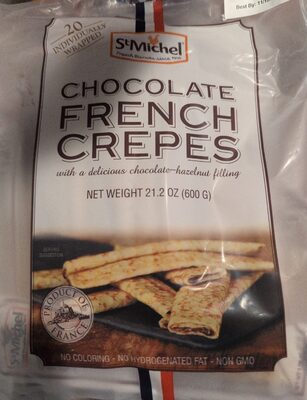
Learn more
Auto-generated content. This description was generated automatically and is pending editorial review. Inaccuracies are possible. Found a mistake? Contact us.