Sheep & Goat Milk
What is Sheep & Goat Milk?
Milk from sheep and goats is a white liquid produced by female sheep and goats. It is a primary source of milk for cheese and yogurt production in many parts of the world. Sheep and goat milk have a different flavor profile and fat composition compared to cow's milk.
Is Sheep & Goat Milk vegan?
No. Sheep & Goat Milk is animal-derived, so it is not vegan.
Is Sheep & Goat Milk a major allergen?
Sheep and goat milk are derived from milk, which is one of the nine major allergens recognized by the FDA.
What is Sheep & Goat Milk used for?
Manufacturers use sheep and goat milk primarily to produce cheeses like feta, ricotta, and chèvre.
Is Sheep & Goat Milk safe?
Sheep and goat milk are generally recognized as safe (GRAS) by the FDA for consumption.
Why it's used
Manufacturers use sheep and goat milk primarily to produce cheeses like feta, ricotta, and chèvre. It can also be used in yogurts and other dairy products. Its distinct flavor is often sought after in specialty food items.
Health notes
Sheep and goat milk are generally recognized as safe (GRAS) by the FDA for consumption. They are a source of protein, calcium, and other nutrients. International bodies like EFSA have evaluated dairy products, but specific evaluations for sheep and goat milk alone are not always distinct from general dairy assessments. No significant health concerns are associated with typical consumption.
Allergen info
Sheep and goat milk are derived from milk, which is one of the nine major allergens recognized by the FDA. Individuals with a milk allergy should avoid these products.
Foods that contain Sheep & Goat Milk
Compare products →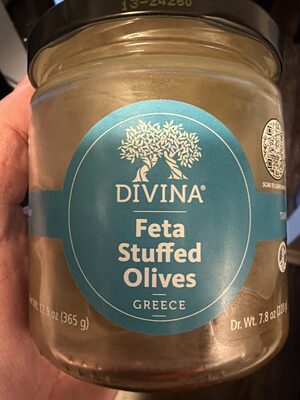 Food Match, Inc.
Feta Stuffed Olives, Feta
200kcal
0Protein
20Fat
13.3Carbs
Food Match, Inc.
Divina, Red Kardoula Peppers Stuffed With Feta Cheese
400kcal
5Protein
40Fat
5Carbs
George DeLallo Co., Inc.
Peta Stuffed Olives, Feta Stuffed
208kcal
0Protein
20.8Fat
8.3Carbs
Food Match, Inc.
Feta Cheese Stuffed Olives
167kcal
6.7Protein
13.3Fat
0Carbs
Food Match, Inc.
Feta Stuffed Olives, Feta
200kcal
0Protein
20Fat
13.3Carbs
Food Match, Inc.
Divina, Red Kardoula Peppers Stuffed With Feta Cheese
400kcal
5Protein
40Fat
5Carbs
George DeLallo Co., Inc.
Peta Stuffed Olives, Feta Stuffed
208kcal
0Protein
20.8Fat
8.3Carbs
Food Match, Inc.
Feta Cheese Stuffed Olives
167kcal
6.7Protein
13.3Fat
0Carbs
Learn more
Auto-generated content. This description was generated automatically and is pending editorial review. Inaccuracies are possible. Found a mistake? Contact us.