Sherry
What is Sherry?
Sherry is a type of fortified wine made from white grapes grown near the city of Jerez de la Frontera in Andalusia, Spain. It is produced by aging wine in a solera system, which involves blending wines of different ages. The process results in a range of styles, from dry to sweet.
Is Sherry gluten-free?
It is gluten-free.
Is Sherry a major allergen?
Sherry is not derived from any of the 9 FDA major allergens.
What is Sherry used for?
Sherry is used as a flavoring ingredient in cooking, particularly in sauces, soups, and marinades, to add a distinct nutty and slightly sweet taste.
Is Sherry safe?
Sherry is generally recognized as safe (GRAS) by the FDA when used as a flavoring ingredient.
Why it's used
Sherry is used as a flavoring ingredient in cooking, particularly in sauces, soups, and marinades, to add a distinct nutty and slightly sweet taste. It is also enjoyed as a beverage on its own or as part of cocktails.
Health notes
Sherry is generally recognized as safe (GRAS) by the FDA when used as a flavoring ingredient. The U.S. National Academies of Sciences, Engineering, and Medicine have not established a tolerable upper intake level for sherry. JECFA and EFSA have evaluated sherry as a food ingredient. Evidence on the health effects of moderate alcohol consumption is mixed, with some studies suggesting potential cardiovascular benefits while others highlight risks.
Allergen info
Sherry is not derived from any of the 9 FDA major allergens. It is gluten-free.
Foods that contain Sherry
Compare products →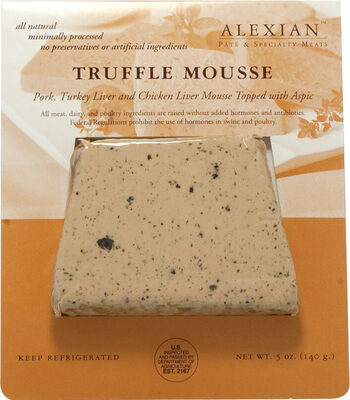
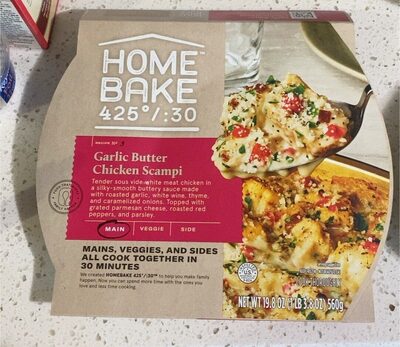
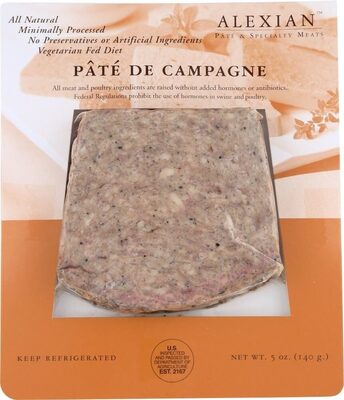

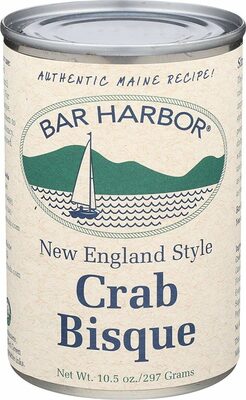
Learn more
Auto-generated content. This description was generated automatically and is pending editorial review. Inaccuracies are possible. Found a mistake? Contact us.