Skim Milk Sugar
What is Skim Milk Sugar?
Skim milk sugar is the natural sugar found in milk, also known as lactose. It is a disaccharide, meaning it is made of two simpler sugar units: glucose and galactose. Lactose is produced by mammary glands in mammals and is a primary source of energy for newborns.
Is Skim Milk Sugar vegan?
No. Skim Milk Sugar is animal-derived, so it is not vegan.
Is Skim Milk Sugar gluten-free?
It does not contain gluten.
Is Skim Milk Sugar a major allergen?
Skim milk sugar is derived from milk, which is one of the 9 FDA major allergens.
What is Skim Milk Sugar used for?
Manufacturers add skim milk sugar as a sweetener and bulking agent, particularly in dairy products like ice cream and sweetened condensed milk.
Is Skim Milk Sugar safe?
Lactose is generally recognized as safe (GRAS) by the FDA for use in food.
Why it's used
Manufacturers add skim milk sugar as a sweetener and bulking agent, particularly in dairy products like ice cream and sweetened condensed milk. It contributes a mild sweetness and helps create a desirable texture in frozen desserts. It is also used in some baked goods and beverages.
Health notes
Lactose is generally recognized as safe (GRAS) by the FDA for use in food. Many people have difficulty digesting lactose, leading to lactose intolerance. While not a health risk, it can cause digestive discomfort. JECFA has evaluated lactose and established an acceptable daily intake.
Allergen info
Skim milk sugar is derived from milk, which is one of the 9 FDA major allergens. It does not contain gluten.
Foods that contain Skim Milk Sugar
Compare products →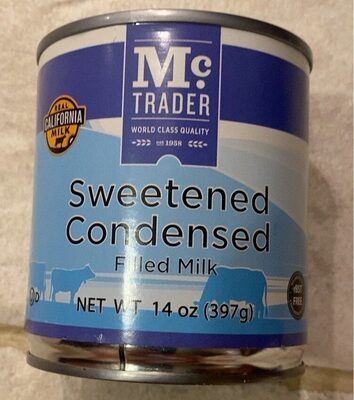 McLane Group International, L.P.
Sweetened Condensed Filled Milk, Sweetened
High in added sugars — 36% DV per serving
433kcal
10Protein
10Fat
73.3Carbs
McLane Group International, L.P.
Sweetened Condensed Filled Milk, Sweetened
High in added sugars — 36% DV per serving
433kcal
10Protein
10Fat
73.3Carbs
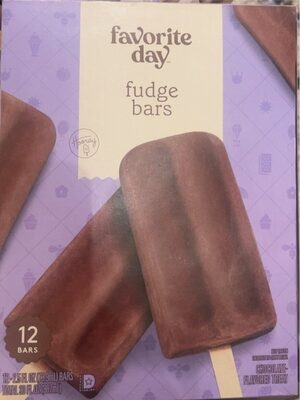 Target Stores
Fudge Chocolate-Flavored Treat Bars, Fudge
High in added sugars — 24% DV per serving
67kcal
2Protein
0Fat
14.7Carbs
House Of Flavors, Inc.
Vanilla Chocolate Light Ice Cream, Vanilla Chocolate
High in added sugars — 26% DV per serving
165kcal
4.7Protein
4.1Fat
25.9Carbs
Pepsi-Cola North America Inc.
Gingerbread Chilled Coffee Drink, Gingerbread
70kcal
2.1Protein
1.2Fat
13.0Carbs
Target Stores
Fudge Chocolate-Flavored Treat Bars, Fudge
High in added sugars — 24% DV per serving
67kcal
2Protein
0Fat
14.7Carbs
House Of Flavors, Inc.
Vanilla Chocolate Light Ice Cream, Vanilla Chocolate
High in added sugars — 26% DV per serving
165kcal
4.7Protein
4.1Fat
25.9Carbs
Pepsi-Cola North America Inc.
Gingerbread Chilled Coffee Drink, Gingerbread
70kcal
2.1Protein
1.2Fat
13.0Carbs
Learn more
Auto-generated content. This description was generated automatically and is pending editorial review. Inaccuracies are possible. Found a mistake? Contact us.