Small Red Beans
What is Small Red Beans?
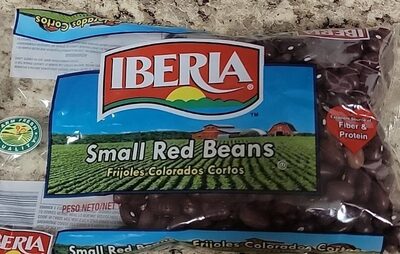
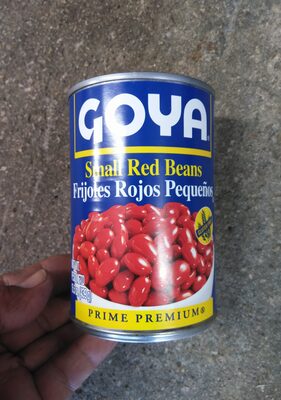
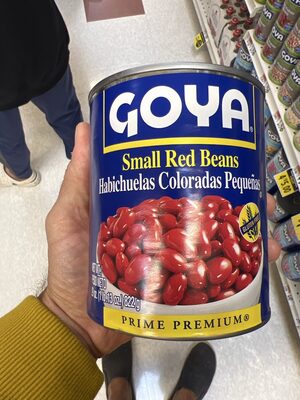
Small red beans are a type of kidney bean, a legume harvested from the plant Phaseolus vulgaris. They are small, oval-shaped, and have a deep reddish-brown color. Like other beans, they are grown, harvested, dried, and then typically soaked and cooked before consumption or canning.
Is Small Red Beans vegan?
Small Red Beans is not animal-derived. Products that contain it can still include other animal-derived ingredients, so check the full ingredient list.
Is Small Red Beans a major allergen?
Small red beans are a legume but are not classified as one of the nine major food allergens by the FDA.
What is Small Red Beans used for?
Manufacturers add small red beans to products primarily as a whole food ingredient, contributing texture, flavor, and nutritional value.
Is Small Red Beans safe?
Small red beans are recognized as a nutritious whole food by the FDA and are not considered a food additive.
Why it's used
Manufacturers add small red beans to products primarily as a whole food ingredient, contributing texture, flavor, and nutritional value. They are frequently used in soups, stews, chili, salads, and side dishes. Their hearty texture and ability to absorb flavors make them a versatile component in many savory dishes.
Health notes
Small red beans are recognized as a nutritious whole food by the FDA and are not considered a food additive. They are a good source of dietary fiber, plant-based protein, and various vitamins and minerals. The Dietary Guidelines for Americans (2025-2030) recommend consuming a variety of vegetables, including legumes like beans, as part of a healthy eating pattern. JECFA and EFSA do not typically evaluate whole foods like beans as food additives.
Allergen info
Small red beans are a legume but are not classified as one of the nine major food allergens by the FDA. Individuals with allergies to other legumes, such as peanuts or soy, may or may not react to beans.
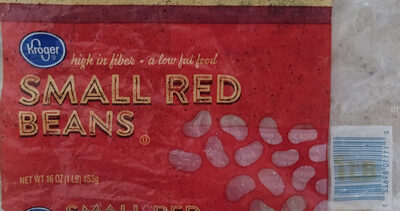
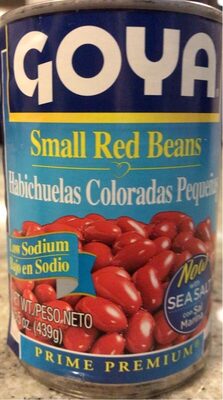
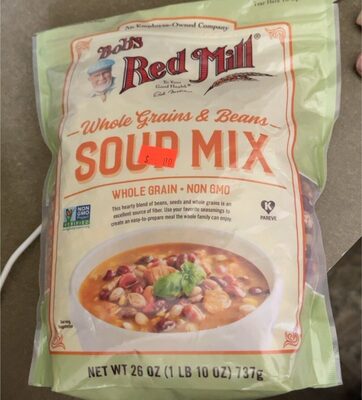
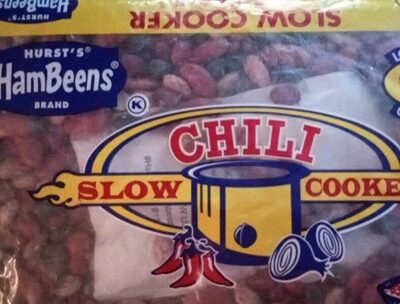
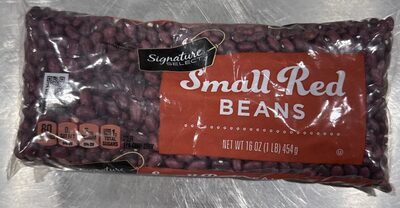
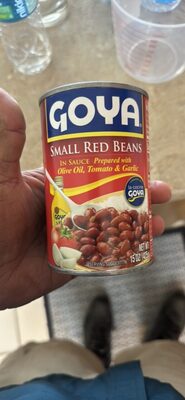
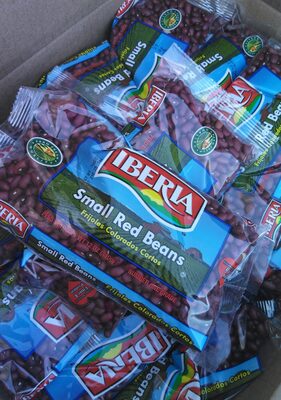
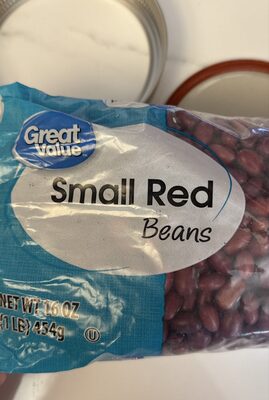
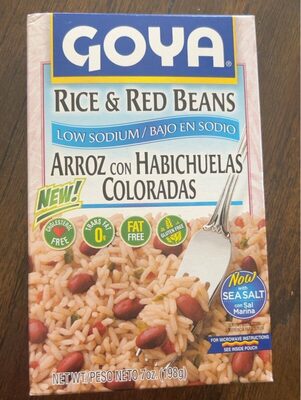
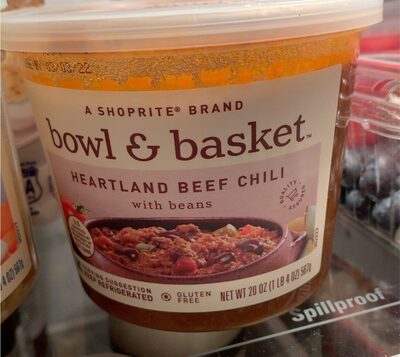
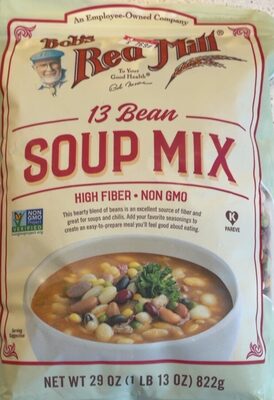
Foods that contain Small Red Beans
Compare products →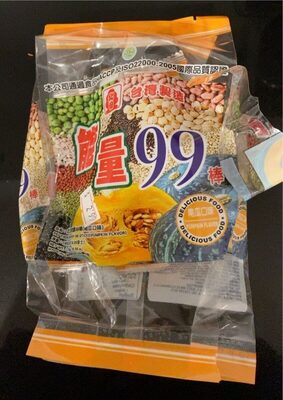
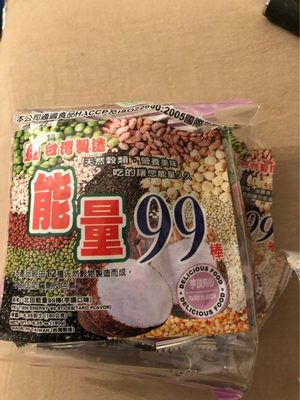
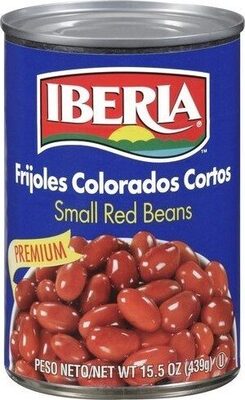
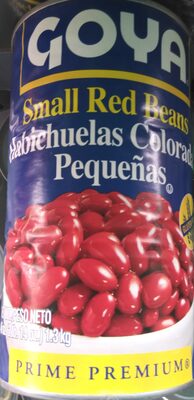

Auto-generated content. This description was generated automatically and is pending editorial review. Inaccuracies are possible. Found a mistake? Contact us.