Sodium Acid Carbonate
Auto-generated content. This description was generated automatically and is pending editorial review. Inaccuracies are possible. Found a mistake? Contact us.
What it is
Sodium acid carbonate, also known as sodium bicarbonate or baking soda, is a white crystalline powder. It is a salt of sodium and carbonic acid. It occurs naturally in mineral deposits and can also be manufactured.
Why it's used
Sodium acid carbonate is primarily used as a leavening agent in baked goods, producing carbon dioxide when heated or mixed with an acid. This causes doughs and batters to rise. It is also used as an acidity regulator in various food products.
Health notes
In the U.S., sodium acid carbonate is Generally Recognized As Safe (GRAS) by the FDA for use in food. It is a common ingredient consumed in typical amounts without adverse health effects. International bodies like JECFA and EFSA have evaluated it. While generally safe, excessive intake can lead to electrolyte imbalances or alkalosis.
Allergen info
Sodium acid carbonate is not a major allergen and does not contain gluten. It is not derived from any of the nine FDA major allergens.
Products containing Sodium Acid Carbonate
Compare products →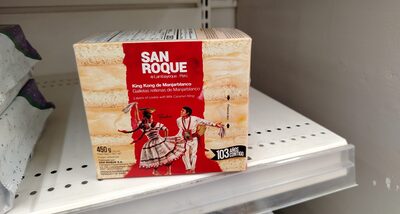 SAN ROQUE S.A.
Layers Of Cookie With Milk Caramel Filling
High in saturated fat — 30% DV per serving
382kcal
12Protein
8Fat
65Carbs
SAN ROQUE S.A.
Layers Of Cookie With Milk Caramel Filling
High in saturated fat — 30% DV per serving
382kcal
12Protein
8Fat
65Carbs
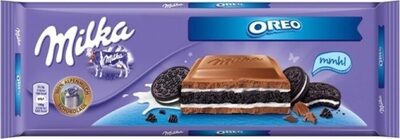 Stark Group International, Inc.
Oreo Alpine Milk Chocolate, Oreo
High in saturated fat — 32% DV per serving
559kcal
5.4Protein
34.5Fat
55.6Carbs
Stark Group International, Inc.
Oreo Alpine Milk Chocolate, Oreo
High in saturated fat — 32% DV per serving
559kcal
5.4Protein
34.5Fat
55.6Carbs