Sodium Acid Pyrophosphate And Baking Soda
What is Sodium Acid Pyrophosphate And Baking Soda?
Sodium acid pyrophosphate (SAPP) is a leavening acid. It is a salt made from phosphoric acid, a chemical compound that occurs naturally in plants and animals. Baking soda, also known as sodium bicarbonate, is a chemical compound that acts as a base in leavening.
Is Sodium Acid Pyrophosphate And Baking Soda vegan?
Sodium Acid Pyrophosphate And Baking Soda is not animal-derived. Products that contain it can still include other animal-derived ingredients, so check the full ingredient list.
Is Sodium Acid Pyrophosphate And Baking Soda a major allergen?
Not a major allergen.
What is Sodium Acid Pyrophosphate And Baking Soda used for?
These ingredients work together as a chemical leavening system in baked goods.
Is Sodium Acid Pyrophosphate And Baking Soda safe?
Both sodium acid pyrophosphate and baking soda are listed as Generally Recognized As Safe (GRAS) by the FDA for use in food.
Why it's used
These ingredients work together as a chemical leavening system in baked goods. When combined with moisture and heat, they produce carbon dioxide gas, which causes doughs and batters to rise. They are commonly found in products like biscuits, cookies, pancakes, and muffins.
Health notes
Both sodium acid pyrophosphate and baking soda are listed as Generally Recognized As Safe (GRAS) by the FDA for use in food. They are common sources of sodium in the diet. The FDA sets a Daily Value for sodium at 2,300 mg. JECFA has evaluated sodium acid pyrophosphate and set an acceptable daily intake. No specific health concerns are associated with typical consumption levels of these ingredients.
Allergen info
Not a major allergen.
Foods that contain Sodium Acid Pyrophosphate And Baking Soda
Compare products →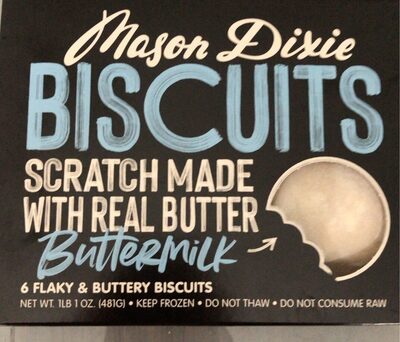 MDBC LLC
Buttermilk Biscuits, Buttermilk
High in sodium — 35% DV per serving
High in saturated fat — 30% DV per serving
300kcal
7.5Protein
13.8Fat
38.8Carbs
Bisquiva North America Inc.
Sponge Cake Cookies
400kcal
4Protein
12Fat
68Carbs
MDBC LLC
Cheddar Biscuits, Cheddar
High in sodium — 35% DV per serving
High in saturated fat — 35% DV per serving
312kcal
7.5Protein
13.8Fat
36.2Carbs
MDBC LLC
Buttermilk Biscuits, Buttermilk
High in sodium — 35% DV per serving
High in saturated fat — 30% DV per serving
300kcal
7.5Protein
13.8Fat
38.8Carbs
Bisquiva North America Inc.
Sponge Cake Cookies
400kcal
4Protein
12Fat
68Carbs
MDBC LLC
Cheddar Biscuits, Cheddar
High in sodium — 35% DV per serving
High in saturated fat — 35% DV per serving
312kcal
7.5Protein
13.8Fat
36.2Carbs
Auto-generated content. This description was generated automatically and is pending editorial review. Inaccuracies are possible. Found a mistake? Contact us.