Sodium Acid Pyrophosphate Baking Soda
What is Sodium Acid Pyrophosphate Baking Soda?
Sodium acid pyrophosphate (SAPP) is a leavening agent. It is a salt made from phosphoric acid and sodium. It is commonly produced by heating sodium acid phosphate.
Is Sodium Acid Pyrophosphate Baking Soda vegan?
Sodium Acid Pyrophosphate Baking Soda is not animal-derived. Products that contain it can still include other animal-derived ingredients, so check the full ingredient list.
Is Sodium Acid Pyrophosphate Baking Soda a major allergen?
Not a major allergen.
What is Sodium Acid Pyrophosphate Baking Soda used for?
SAPP is used as a leavening agent in baked goods like cookies, cakes, and crackers.
Is Sodium Acid Pyrophosphate Baking Soda safe?
SAPP is generally recognized as safe (GRAS) by the FDA when used as a food additive.
Why it's used
SAPP is used as a leavening agent in baked goods like cookies, cakes, and crackers. It reacts with baking soda to produce carbon dioxide gas, which makes dough and batter rise. It helps create a light and fluffy texture in these products.
Health notes
SAPP is generally recognized as safe (GRAS) by the FDA when used as a food additive. It is also approved for use in the European Union. JECFA has evaluated SAPP and established an acceptable daily intake. Some studies suggest high phosphate intake from all sources may be a concern for bone health and cardiovascular health, but typical intake from SAPP in food is not considered a risk.
Allergen info
Not a major allergen.
Foods that contain Sodium Acid Pyrophosphate Baking Soda
Compare products →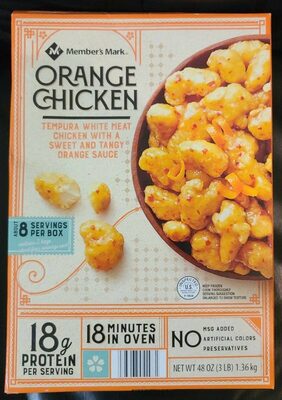 Sam's Club West
Orange Chicken Tempura White Meat Chicken With A Sweet And Tangy Orange Sauce, Orange Chicken
High in sodium — 32% DV per serving
205kcal
10.8Protein
6.6Fat
25.9Carbs
Petri Baking Products, Inc.
Bakery Fresh, Halloween Cookies, Chocolate Chip, Chocolate Chip
440kcal
4Protein
18Fat
68Carbs
Nonni's Foods LLC
Nonni's, Mini Biscotti, Gingerbread Macadamia, Gingerbread Macadamia
471kcal
5.9Protein
17.6Fat
64.7Carbs
Aryzta, LLC
Cinnamon Crumb Loaf Cake, Cinnamon Crumb
High in sodium — 20% DV per serving
High in saturated fat — 30% DV per serving
407kcal
5.3Protein
18.6Fat
55.8Carbs
The Moran Group Incorporated
Biscuits, Buttermilk
High in sodium — 24% DV per serving
250kcal
6.2Protein
3.1Fat
48.4Carbs
Brothers Baking Company, Inc.
Crunch Dunkers
429kcal
2.9Protein
20Fat
54.3Carbs
T. Marzetti Company
Foldit, 100% Whole Wheat With Flax Flatbread, Whole Wheat With Flax
209kcal
16.3Protein
5.8Fat
34.9Carbs
Sam's Club West
Orange Chicken Tempura White Meat Chicken With A Sweet And Tangy Orange Sauce, Orange Chicken
High in sodium — 32% DV per serving
205kcal
10.8Protein
6.6Fat
25.9Carbs
Petri Baking Products, Inc.
Bakery Fresh, Halloween Cookies, Chocolate Chip, Chocolate Chip
440kcal
4Protein
18Fat
68Carbs
Nonni's Foods LLC
Nonni's, Mini Biscotti, Gingerbread Macadamia, Gingerbread Macadamia
471kcal
5.9Protein
17.6Fat
64.7Carbs
Aryzta, LLC
Cinnamon Crumb Loaf Cake, Cinnamon Crumb
High in sodium — 20% DV per serving
High in saturated fat — 30% DV per serving
407kcal
5.3Protein
18.6Fat
55.8Carbs
The Moran Group Incorporated
Biscuits, Buttermilk
High in sodium — 24% DV per serving
250kcal
6.2Protein
3.1Fat
48.4Carbs
Brothers Baking Company, Inc.
Crunch Dunkers
429kcal
2.9Protein
20Fat
54.3Carbs
T. Marzetti Company
Foldit, 100% Whole Wheat With Flax Flatbread, Whole Wheat With Flax
209kcal
16.3Protein
5.8Fat
34.9Carbs
Auto-generated content. This description was generated automatically and is pending editorial review. Inaccuracies are possible. Found a mistake? Contact us.