Sodium Aluminosilicate And Tricalcium Phosphate
Auto-generated content. This description was generated automatically and is pending editorial review. Inaccuracies are possible. Found a mistake? Contact us.
What it is
Sodium aluminosilicate and tricalcium phosphate are both inorganic compounds. Sodium aluminosilicate is a synthetic compound made from sodium, aluminum, silicon, and oxygen. Tricalcium phosphate is a mineral salt naturally found in bones and teeth, and it can also be manufactured.
Why it's used
These ingredients are typically used together as anti-caking agents in powdered foods. They prevent ingredients like salt, spices, and powdered mixes from clumping by absorbing moisture and keeping particles separated. They are commonly found in dry mixes, powdered seasonings, and snack foods.
Health notes
In the US, both sodium aluminosilicate and tricalcium phosphate are generally recognized as safe (GRAS) by the FDA for use as anti-caking agents. International bodies like JECFA and EFSA have also evaluated these substances. At typical consumption levels, they are not associated with adverse health effects. There are no widespread controversies regarding their use.
Allergen info
Not a major allergen. Neither ingredient is derived from milk, egg, fish, shellfish, tree nuts, peanuts, wheat, soy, or sesame. They do not contain gluten.
Products containing Sodium Aluminosilicate And Tricalcium Phosphate
Compare products →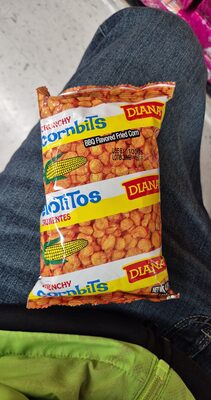 Productos Alimenticios Diana
Fried Corn, BBQ, BBQ
464kcal
7.1Protein
16.2Fat
71.4Carbs
Productos Alimenticios Diana
Fried Corn, BBQ, BBQ
464kcal
7.1Protein
16.2Fat
71.4Carbs
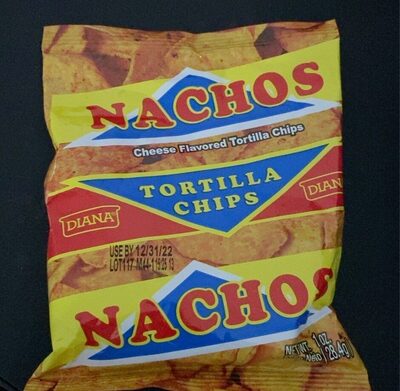 Productos Alimenticios Diana
Nachos Cheese Flavored Tortilla Chips, Nachos Cheese
High in saturated fat — 20% DV per serving
500kcal
6.7Protein
26.7Fat
63.3Carbs
Productos Alimenticios Diana
Nachos Cheese Flavored Tortilla Chips, Nachos Cheese
High in saturated fat — 20% DV per serving
500kcal
6.7Protein
26.7Fat
63.3Carbs
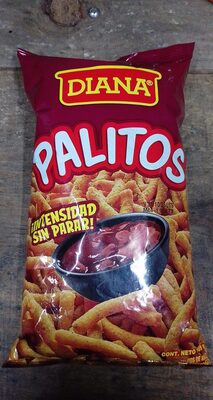 Productos Alimenticios Diana
BBQ Corn Sticks, BBQ
500kcal
6.7Protein
26.7Fat
63.3Carbs
Productos Alimenticios Diana
BBQ Corn Sticks, BBQ
500kcal
6.7Protein
26.7Fat
63.3Carbs
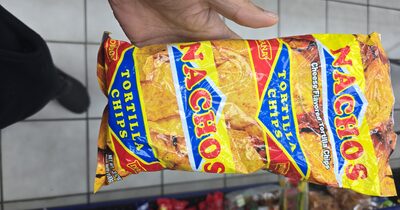 Productos Alimenticios Diana
Nachos Cheese Flavored Tortilla Chips, Cheese
High in saturated fat — 20% DV per serving
500kcal
6.7Protein
26.7Fat
63.3Carbs
Productos Alimenticios Diana
Nachos Cheese Flavored Tortilla Chips, Cheese
High in saturated fat — 20% DV per serving
500kcal
6.7Protein
26.7Fat
63.3Carbs
 Productos Alimenticios Diana
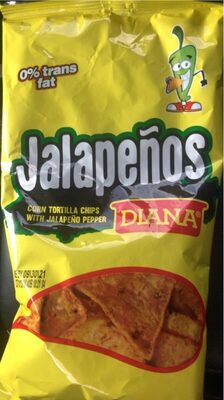
Jalapeos With Jalapeo Pepper Corn Tortilla Chips, Jalapeo
500kcal
6.7Protein
26.7Fat
63.3Carbs
Productos Alimenticios Diana
Jalapeos With Jalapeo Pepper Corn Tortilla Chips, Jalapeo
500kcal
6.7Protein
26.7Fat
63.3Carbs
 Productos Alimenticios Diana
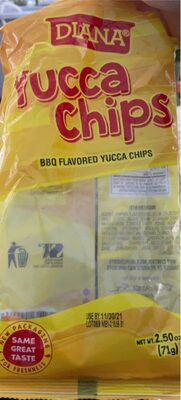
BBQ Flavored Yucca Chips, BBQ
500kcal
0Protein
23.3Fat
70Carbs
Productos Alimenticios Diana
BBQ Flavored Yucca Chips, BBQ
500kcal
0Protein
23.3Fat
70Carbs
 Productos Alimenticios Diana
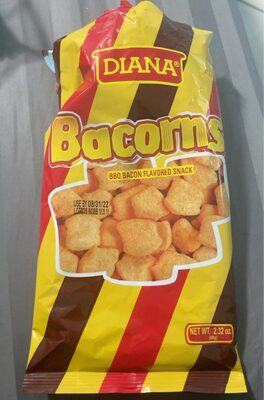
Bacorns BBQ Bacon Flavored Snack, BBQ
High in saturated fat — 22% DV per serving
533kcal
6.7Protein
30Fat
56.7Carbs
Productos Alimenticios Diana
Bacorns BBQ Bacon Flavored Snack, BBQ
High in saturated fat — 22% DV per serving
533kcal
6.7Protein
30Fat
56.7Carbs
 Productos Alimenticios Diana
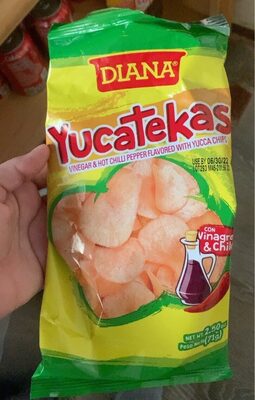
Yucatekas Vinegar & Hot Chilli Pepper Flavored Yucca Chips
High in saturated fat — 20% DV per serving
500kcal
3.3Protein
23.3Fat
66.7Carbs
Productos Alimenticios Diana
Yucatekas Vinegar & Hot Chilli Pepper Flavored Yucca Chips
High in saturated fat — 20% DV per serving
500kcal
3.3Protein
23.3Fat
66.7Carbs