Flavor Enhancer
Auto-generated content. This description was generated automatically and is pending editorial review. Inaccuracies are possible. Found a mistake? Contact us.
What it is
Flavor enhancers are substances added to food to intensify or modify its existing taste and aroma. They are often derived from natural sources like yeast extract or soybeans, or produced synthetically. These compounds work by stimulating taste receptors on the tongue, making food taste more appealing.
Why it's used
Manufacturers use flavor enhancers to make foods taste richer, fuller, and more savory, a sensation often described as 'umami.' They are commonly found in processed foods such as soups, sauces, snacks, seasonings, and canned goods to improve their palatability.
Health notes
Flavor enhancers like monosodium glutamate (MSG) are generally recognized as safe (GRAS) by the FDA when consumed in typical amounts. Some individuals report sensitivity to MSG, experiencing symptoms like headaches or flushing, though scientific studies have not consistently linked these symptoms to MSG consumption at normal dietary levels. International bodies like JECFA and EFSA have evaluated flavor enhancers and established safety guidelines.
Allergen info
Some flavor enhancers can be derived from major allergens like soy or wheat. For example, hydrolyzed vegetable protein, a source of MSG, may be derived from soy or wheat. Consumers should check product labels for specific allergen information.
Products containing Flavor Enhancer
Compare products →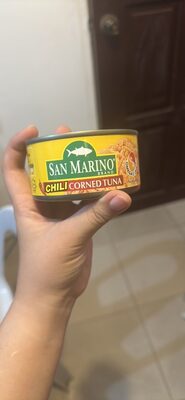 CDO FOODSPHERE, INC.
Light Chili Corned Tuna
145kcal
12.7Protein
9.1Fat
3.6Carbs
DONG WON
Dong Won, Sesame Leaves, Mild
100kcal
4.3Protein
2.1Fat
15.7Carbs
DONG WON
Dong Won, Sesame Leaves, Hot
High in sodium — 53% DV per serving
93kcal
4.3Protein
2.1Fat
14.3Carbs
CDO FOODSPHERE, INC.
Light Chili Corned Tuna
145kcal
12.7Protein
9.1Fat
3.6Carbs
DONG WON
Dong Won, Sesame Leaves, Mild
100kcal
4.3Protein
2.1Fat
15.7Carbs
DONG WON
Dong Won, Sesame Leaves, Hot
High in sodium — 53% DV per serving
93kcal
4.3Protein
2.1Fat
14.3Carbs
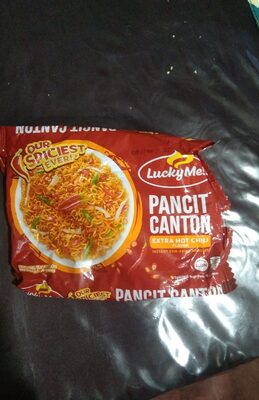 LUCKY ME!
Instant Chow Mein
High in sodium — 30% DV per serving
High in saturated fat — 30% DV per serving
450kcal
10Protein
20Fat
58.3Carbs
LUCKY ME!
Instant Chow Mein
High in sodium — 30% DV per serving
High in saturated fat — 30% DV per serving
450kcal
10Protein
20Fat
58.3Carbs
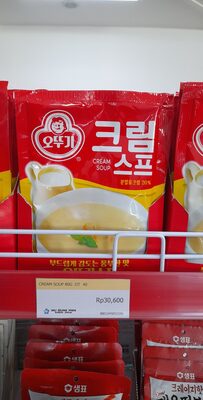 OTTOGI AMERICA, INC
Cream Soup Powder
444kcal
5.6Protein
11.1Fat
72.2Carbs
OTTOGI AMERICA, INC
Cream Soup Powder
444kcal
5.6Protein
11.1Fat
72.2Carbs
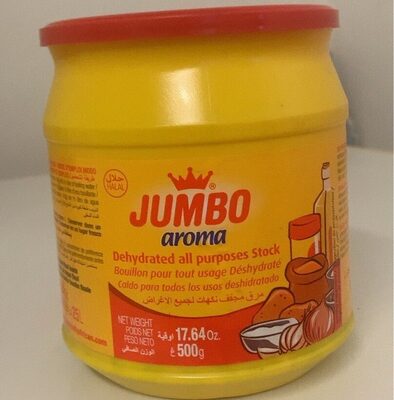 JUMBO AROMA
Dehydrated All Purposes Stock
0kcal
0Protein
0Fat
40Carbs
MONTE CUDINE
Instant Pumpkin Soup
High in sodium — 32% DV per serving
345kcal
6.9Protein
6.9Fat
75.9Carbs
VIETNAM FOOD INDUSTRIES JOINT STOCK COMPANY
Chao Ca Fish Instant Porridge
High in sodium — 74% DV per serving
258kcal
6.7Protein
5Fat
46.7Carbs
BENIHANA
Hibachi Chicken Rice
High in sodium — 25% DV per serving
135kcal
8Protein
3Fat
19.5Carbs
JUMBO AROMA
Dehydrated All Purposes Stock
0kcal
0Protein
0Fat
40Carbs
MONTE CUDINE
Instant Pumpkin Soup
High in sodium — 32% DV per serving
345kcal
6.9Protein
6.9Fat
75.9Carbs
VIETNAM FOOD INDUSTRIES JOINT STOCK COMPANY
Chao Ca Fish Instant Porridge
High in sodium — 74% DV per serving
258kcal
6.7Protein
5Fat
46.7Carbs
BENIHANA
Hibachi Chicken Rice
High in sodium — 25% DV per serving
135kcal
8Protein
3Fat
19.5Carbs
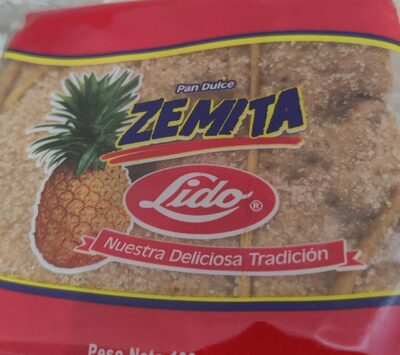 LIDO
Zemita
High in added sugars — 40% DV per serving
380kcal
5Protein
16Fat
55Carbs
LIDO
Zemita
High in added sugars — 40% DV per serving
380kcal
5Protein
16Fat
55Carbs