Sodium Aluminum Sulfate
What is Sodium Aluminum Sulfate?
Sodium aluminum sulfate is an inorganic salt that appears as a white, crystalline powder. It is produced through chemical synthesis, combining aluminum hydroxide, sulfuric acid, and sodium sulfate.
Is Sodium Aluminum Sulfate vegan?
Sodium Aluminum Sulfate is not animal-derived. Products that contain it can still include other animal-derived ingredients, so check the full ingredient list.
Is Sodium Aluminum Sulfate a major allergen?
Not a major allergen.
What is Sodium Aluminum Sulfate used for?
It is primarily used as a leavening agent in baked goods, often found in baking powder formulations.
Is Sodium Aluminum Sulfate safe?
In the United States, sodium aluminum sulfate is an FDA-approved food additive.
Why it's used
It is primarily used as a leavening agent in baked goods, often found in baking powder formulations. When combined with moisture and heat, it reacts to produce carbon dioxide gas, which helps doughs and batters rise, giving products a light and airy texture. It is commonly used in cakes, cookies, and pizza crusts.
Health notes
In the United States, sodium aluminum sulfate is an FDA-approved food additive. JECFA has evaluated sodium aluminum sulfate and set an acceptable daily intake. Concerns have been raised about aluminum intake from food additives and its potential link to neurological conditions. However, major scientific and regulatory bodies, including JECFA, have concluded that there is no clear evidence of harm at typical dietary exposure levels from food additives.
Allergen info
Not a major allergen.
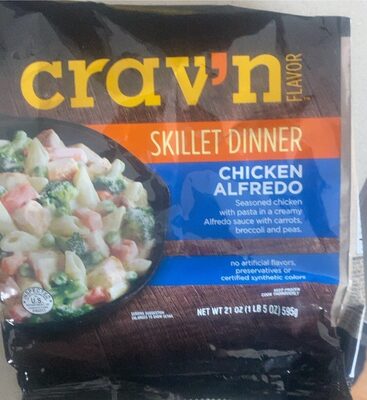
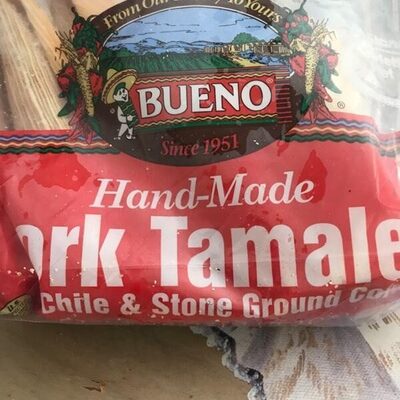
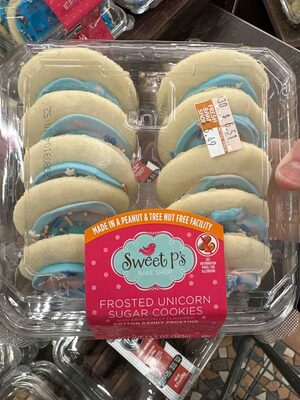
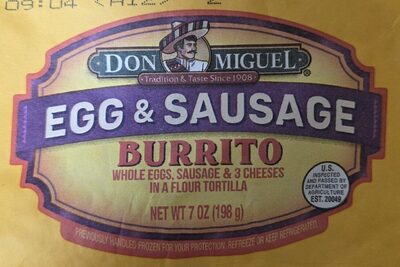
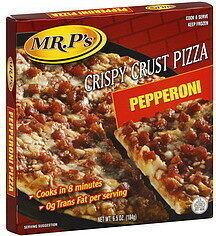
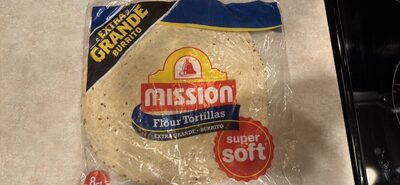
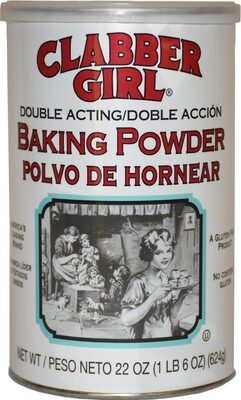
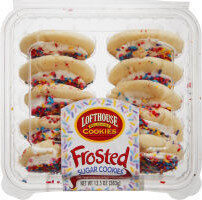
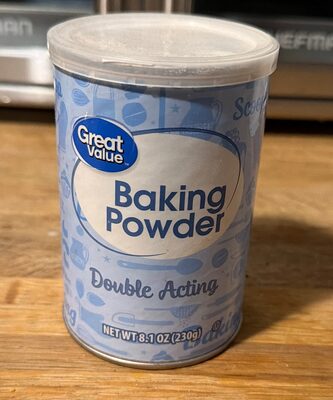
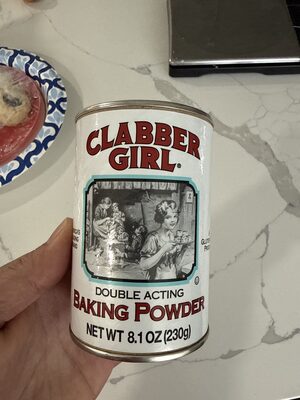
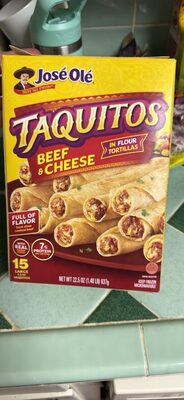
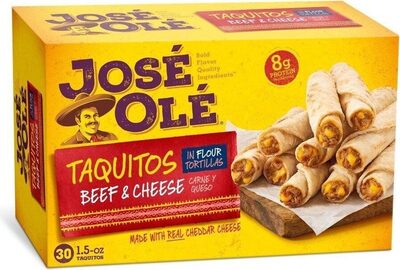
Foods that contain Sodium Aluminum Sulfate
Compare products →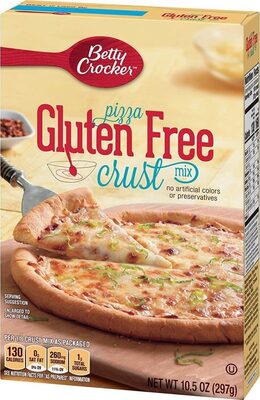
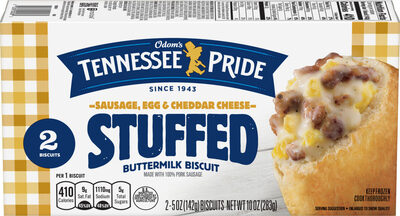
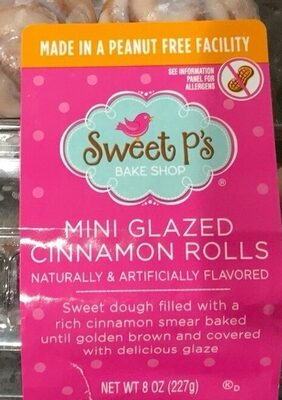
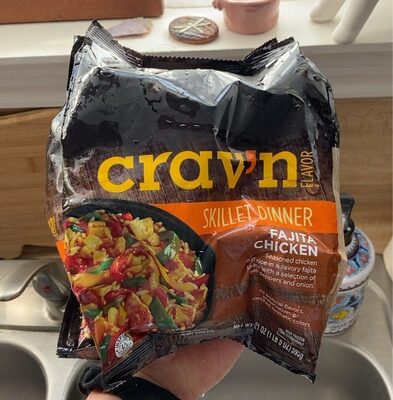


Auto-generated content. This description was generated automatically and is pending editorial review. Inaccuracies are possible. Found a mistake? Contact us.