Sodium Benzoate And Xanthan Gum
Auto-generated content. This description was generated automatically and is pending editorial review. Inaccuracies are possible. Found a mistake? Contact us.
What it is
Sodium benzoate is a salt of benzoic acid, a common food preservative. It is produced synthetically by reacting sodium hydroxide with benzoic acid. Xanthan gum is a polysaccharide produced by the fermentation of sugar by a specific bacterium, *Xanthomonas campestris*.
Why it's used
Sodium benzoate is used as a preservative to inhibit the growth of mold, yeast, and bacteria in acidic foods like salad dressings, carbonated drinks, jams, and fruit juices. Xanthan gum is used as a thickener and stabilizer in foods such as salad dressings, sauces, and baked goods to improve texture and prevent ingredients from separating.
Health notes
Sodium benzoate is generally recognized as safe (GRAS) by the FDA for use as a food preservative. When consumed in typical amounts, it is not associated with adverse health effects. The WHO/FAO Joint Expert Committee on Food Additives (JECFA) has evaluated sodium benzoate and established an acceptable daily intake. Concerns have been raised about potential links to hyperactivity in children, but research findings are mixed and often confounded by other factors in the diet.
Allergen info
Neither sodium benzoate nor xanthan gum are derived from any of the nine FDA major allergens. They are not a source of gluten.
Products containing Sodium Benzoate And Xanthan Gum
Compare products →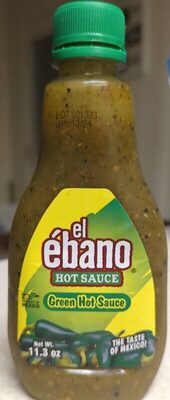 EL EBANO
Green Hot Sauce
20kcal
0Protein
0Fat
0Carbs
EL EBANO
Red Hot Sauce
20kcal
0Protein
0Fat
0Carbs
MULIX
Sangrita Tequila & Mezcal Chaser With Lemon And Veggies
67kcal
3.3Protein
0Fat
13.3Carbs
Gotera, Inc.
Cocada Coconut Cookie, Cocada
327kcal
7.1Protein
11.8Fat
49.4Carbs
Tony Chachere's Creole Foods of Opelousas, Inc.
Sandwich Sauce Spicy-Sweet
333kcal
0Protein
30Fat
16.7Carbs
EL EBANO
Green Hot Sauce
20kcal
0Protein
0Fat
0Carbs
EL EBANO
Red Hot Sauce
20kcal
0Protein
0Fat
0Carbs
MULIX
Sangrita Tequila & Mezcal Chaser With Lemon And Veggies
67kcal
3.3Protein
0Fat
13.3Carbs
Gotera, Inc.
Cocada Coconut Cookie, Cocada
327kcal
7.1Protein
11.8Fat
49.4Carbs
Tony Chachere's Creole Foods of Opelousas, Inc.
Sandwich Sauce Spicy-Sweet
333kcal
0Protein
30Fat
16.7Carbs