Sodium Bisulfites
Auto-generated content. This description was generated automatically and is pending editorial review. Inaccuracies are possible. Found a mistake? Contact us.
What it is
Sodium bisulfite is a chemical compound that is a salt of sulfurous acid. It is typically produced by reacting sulfur dioxide with a sodium base, like sodium hydroxide or sodium carbonate. It appears as a white crystalline powder.
Why it's used
Sodium bisulfite is used as a preservative and antioxidant in many foods. It helps prevent spoilage by inhibiting the growth of bacteria and fungi, and it also prevents browning in fruits and vegetables. It is commonly found in dried fruits, wine, and processed potatoes.
Health notes
In the United States, sodium bisulfite is generally recognized as safe (GRAS) by the FDA when used according to good manufacturing practices. It is known to cause allergic-type reactions in some individuals, particularly those with asthma. The Joint FAO/WHO Expert Committee on Food Additives (JECFA) and the European Food Safety Authority (EFSA) have evaluated sulfites, and established acceptable daily intakes. Evidence regarding other health effects at typical consumption levels is mixed.
Allergen info
Sodium bisulfite is not derived from any of the nine major allergens. It does not contain gluten.
Products containing Sodium Bisulfites
Compare products →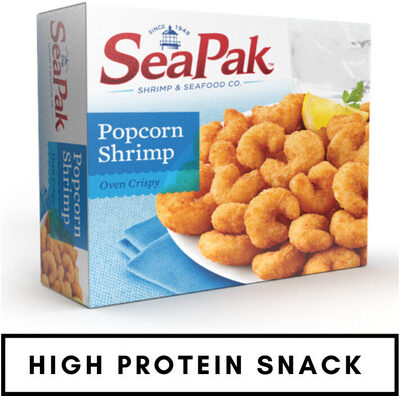 Rich Products Corporation
Popcorn Shrimp
High in sodium — 25% DV per serving
271kcal
11.8Protein
12.9Fat
25.9Carbs
Rich Products Corporation
Shrimp & Veggie Griller
High in cholesterol — 23% DV per serving
76kcal
8.3Protein
0.8Fat
9.1Carbs
Rich Products Corporation
Shrimp 'N Batter
High in sodium — 30% DV per serving
High in cholesterol — 22% DV per serving
259kcal
14.1Protein
12.9Fat
21.2Carbs
Rich Products Corporation
Shrimp Poppers
High in sodium — 31% DV per serving
274kcal
14.3Protein
11.9Fat
26.2Carbs
Rich Products Corporation
Shrimp Poppers Minced Shrimp With Oven Crispy Breading, Shrimp Poppers
High in sodium — 31% DV per serving
High in cholesterol — 20% DV per serving
259kcal
14.1Protein
11.8Fat
25.9Carbs
Rich Products Corporation
Popcorn Shrimp
High in sodium — 25% DV per serving
271kcal
11.8Protein
12.9Fat
25.9Carbs
Rich Products Corporation
Shrimp & Veggie Griller
High in cholesterol — 23% DV per serving
76kcal
8.3Protein
0.8Fat
9.1Carbs
Rich Products Corporation
Shrimp 'N Batter
High in sodium — 30% DV per serving
High in cholesterol — 22% DV per serving
259kcal
14.1Protein
12.9Fat
21.2Carbs
Rich Products Corporation
Shrimp Poppers
High in sodium — 31% DV per serving
274kcal
14.3Protein
11.9Fat
26.2Carbs
Rich Products Corporation
Shrimp Poppers Minced Shrimp With Oven Crispy Breading, Shrimp Poppers
High in sodium — 31% DV per serving
High in cholesterol — 20% DV per serving
259kcal
14.1Protein
11.8Fat
25.9Carbs