Sodium Citriate
What is Sodium Citriate?
Sodium citrate is the sodium salt of citric acid. It is produced by neutralizing citric acid, which can be derived from citrus fruits or produced through fermentation of carbohydrates. It appears as a white crystalline powder.
Is Sodium Citriate vegan?
Sodium Citriate is not animal-derived. Products that contain it can still include other animal-derived ingredients, so check the full ingredient list.
Is Sodium Citriate gluten-free?
It does not contain gluten.
Is Sodium Citriate a major allergen?
Sodium citrate is not derived from any of the 9 major allergens.
What is Sodium Citriate used for?
Sodium citrate is commonly used as an acidity regulator and emulsifier in foods.
Is Sodium Citriate safe?
Sodium citrate is generally recognized as safe (GRAS) by the FDA for use in food.
Why it's used
Sodium citrate is commonly used as an acidity regulator and emulsifier in foods. It helps to prevent spoilage, stabilize emulsions in products like salad dressings and mayonnaise, and can also add a tangy flavor. It is found in dairy products, baked goods, and beverages.
Health notes
Sodium citrate is generally recognized as safe (GRAS) by the FDA for use in food. It is a common food ingredient and is not associated with significant health concerns when consumed in typical amounts. Regulatory bodies like the Joint FAO/WHO Expert Committee on Food Additives (JECFA) and the European Food Safety Authority (EFSA) have evaluated sodium citrate and found it safe for consumption. No major controversies or significant health risks are associated with its use in food.
Allergen info
Sodium citrate is not derived from any of the 9 major allergens. It does not contain gluten.
Foods that contain Sodium Citriate
Compare products →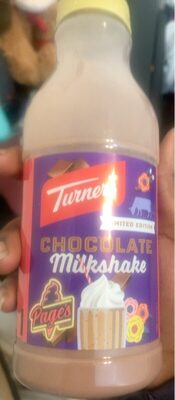 Turner Dairy Farms Inc.
Chocolate Milkshake, Chocolate
High in saturated fat — 30% DV per serving
High in added sugars — 60% DV per serving
121kcal
4.2Protein
3.8Fat
18.3Carbs
A.M. Braswell, Jr. Food Co. Inc.
Tacoma Boys Markets, Dressing, Apple Pecan
117kcal
0Protein
0Fat
30Carbs
Turner Dairy Farms Inc.
Chocolate Milkshake, Chocolate
High in saturated fat — 30% DV per serving
High in added sugars — 60% DV per serving
121kcal
4.2Protein
3.8Fat
18.3Carbs
Turner Dairy Farms Inc.
Chocolate Milkshake, Chocolate
High in saturated fat — 30% DV per serving
High in added sugars — 60% DV per serving
121kcal
4.2Protein
3.8Fat
18.3Carbs
A.M. Braswell, Jr. Food Co. Inc.
Tacoma Boys Markets, Dressing, Apple Pecan
117kcal
0Protein
0Fat
30Carbs
Turner Dairy Farms Inc.
Chocolate Milkshake, Chocolate
High in saturated fat — 30% DV per serving
High in added sugars — 60% DV per serving
121kcal
4.2Protein
3.8Fat
18.3Carbs
Auto-generated content. This description was generated automatically and is pending editorial review. Inaccuracies are possible. Found a mistake? Contact us.