Sodium Metabisulfite E223
Auto-generated content. This description was generated automatically and is pending editorial review. Inaccuracies are possible. Found a mistake? Contact us.
What it is
Sodium metabisulfite is a white or slightly yellowish crystalline powder. It is a salt of sulfurous acid, produced industrially by treating sodium carbonate or sodium hydroxide with sulfur dioxide. It is often used as a source of sulfur dioxide.
Why it's used
Sodium metabisulfite is primarily used as a preservative and antioxidant in foods. It helps prevent spoilage by inhibiting the growth of bacteria and fungi, and it can also prevent browning in dried fruits and vegetables. It is commonly found in dried fruits, wine, and some processed foods like jams and jellies.
Health notes
Sodium metabisulfite is generally recognized as safe (GRAS) by the FDA when used according to good manufacturing practices. It can cause allergic-type reactions in sensitive individuals, particularly those with asthma. The Joint FAO/WHO Expert Committee on Food Additives (JECFA) and the European Food Safety Authority (EFSA) have evaluated sodium metabisulfite. While generally considered safe, some studies have explored its potential effects, but evidence is mixed regarding significant health concerns at typical dietary levels.
Allergen info
Sodium metabisulfite is not derived from any of the 9 FDA major allergens. It does not contain gluten.
Products containing Sodium Metabisulfite E223
Compare products →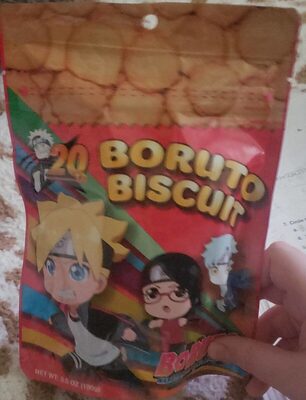 CTC Food International Inc.
Boruto Biscuit
High in saturated fat — 20% DV per serving
520kcal
8Protein
24Fat
64Carbs
CTC Food International Inc.
Boruto Biscuit
High in saturated fat — 20% DV per serving
520kcal
8Protein
24Fat
64Carbs