Sodium Molybdenum
Auto-generated content. This description was generated automatically and is pending editorial review. Inaccuracies are possible. Found a mistake? Contact us.
What it is
Molybdenum is a trace mineral naturally found in soil, water, and many foods. Sodium molybdate is a synthetic salt form of molybdenum, often produced by reacting molybdenum trioxide with sodium hydroxide. It is used to add molybdenum to foods and supplements.
Why it's used
Sodium molybdate is primarily added to foods and beverages as a source of the essential trace mineral molybdenum. It is most commonly found in energy drinks, meal replacement supplements, and nutritional shakes to boost their mineral content.
Health notes
Molybdenum is an essential nutrient required for several enzyme functions in the body. The U.S. Food and Drug Administration (FDA) lists sodium molybdate as Generally Recognized As Safe (GRAS) for use as a nutrient supplement. International bodies like JECFA have evaluated molybdenum and set acceptable daily intakes. While molybdenum is essential, very high intakes can interfere with copper absorption, though this is unlikely from typical food sources.
Allergen info
Sodium molybdate is not derived from any of the nine FDA major allergens and does not contain gluten.
Products containing Sodium Molybdenum
Compare products →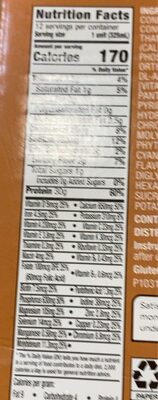 Wal-Mart Stores, Inc.
High Performance Protein 30 G Shakes, Caramel, Caramel
49kcal
9.2Protein
0.9Fat
1.5Carbs
Wal-Mart Stores, Inc.
High Performance Protein 30 G Shakes, Caramel, Caramel
49kcal
9.2Protein
0.9Fat
1.5Carbs
 Wal-Mart Stores, Inc.
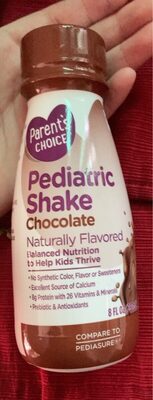
Pediatric Shakes, Chocolate, Chocolate
High in added sugars — 26% DV per serving
100kcal
3.3Protein
3.8Fat
14.2Carbs
Wal-Mart Stores, Inc.
Pediatric Shakes, Chocolate, Chocolate
High in added sugars — 26% DV per serving
100kcal
3.3Protein
3.8Fat
14.2Carbs
 Wal-Mart Stores, Inc.
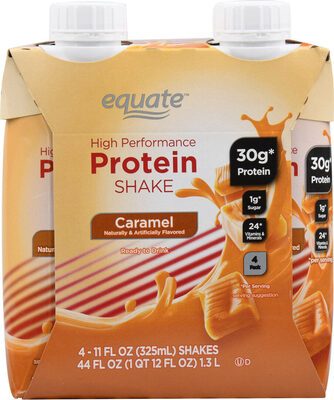
Protein Shake, Caramel
49kcal
9.2Protein
0.9Fat
1.5Carbs
Kate Farms, Inc.
Meal Replacement Shake, Vanilla
89kcal
4.9Protein
2.5Fat
12.6Carbs
Kate Farms, Inc.
Meal Replacement Shake, Coffee
92kcal
4.9Protein
2.5Fat
13.2Carbs
Kate Farms, Inc.
Meal Replacement Shake, Chocolate
95kcal
5.5Protein
2.8Fat
13.2Carbs
Wal-Mart Stores, Inc.
Protein Shake, Caramel
49kcal
9.2Protein
0.9Fat
1.5Carbs
Kate Farms, Inc.
Meal Replacement Shake, Vanilla
89kcal
4.9Protein
2.5Fat
12.6Carbs
Kate Farms, Inc.
Meal Replacement Shake, Coffee
92kcal
4.9Protein
2.5Fat
13.2Carbs
Kate Farms, Inc.
Meal Replacement Shake, Chocolate
95kcal
5.5Protein
2.8Fat
13.2Carbs
 Wal-Mart Stores, Inc.
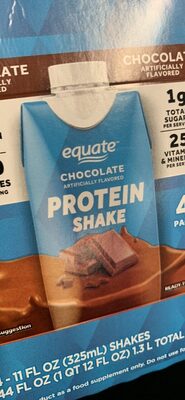
High Performance Protein 30 G Shakes, Chocolate, Chocolate
49kcal
9.2Protein
0.9Fat
1.5Carbs
Wal-Mart Stores, Inc.
High Performance Protein 30 G Shakes, Chocolate, Chocolate
49kcal
9.2Protein
0.9Fat
1.5Carbs
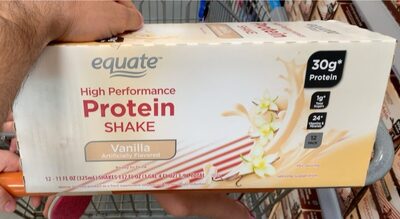 Wal-Mart Stores, Inc.
High Performance Protein 30 G Shakes, Vanilla, Vanilla
49kcal
9.2Protein
0.9Fat
1.2Carbs
Wal-Mart Stores, Inc.
High Performance Protein 30 G Shakes, Vanilla, Vanilla
49kcal
9.2Protein
0.9Fat
1.2Carbs