Sour Cherry
What is Sour Cherry?
Sour cherry, scientifically known as *Prunus cerasus*, is a tart variety of cherry. It is native to Europe and Western Asia and is typically grown for culinary purposes due to its intense flavor. The cherries are harvested when ripe and can be used fresh, dried, or processed.
Is Sour Cherry vegan?
Sour Cherry is not animal-derived. Products that contain it can still include other animal-derived ingredients, so check the full ingredient list.
Is Sour Cherry gluten-free?
They do not contain gluten.
Is Sour Cherry a major allergen?
Sour cherries are not one of the nine major allergens identified by the FDA.
What is Sour Cherry used for?
Sour cherries are primarily used to add a tart, fruity flavor to foods.
Is Sour Cherry safe?
Sour cherries are a natural food and are generally recognized as safe (GRAS) by the FDA when used as a food ingredient.
Why it's used
Sour cherries are primarily used to add a tart, fruity flavor to foods. They are commonly found in jams, jellies, pies, baked goods, and sauces. Their bright color and distinct taste also make them a popular ingredient in candies and beverages.
Health notes
Sour cherries are a natural food and are generally recognized as safe (GRAS) by the FDA when used as a food ingredient. They contain antioxidants and other beneficial compounds. JECFA and EFSA have evaluated various cherry products, but no specific evaluations for sour cherry as a distinct ingredient with set limits are widely published. Evidence suggests moderate consumption may offer some health benefits, but research is ongoing.
Allergen info
Sour cherries are not one of the nine major allergens identified by the FDA. They do not contain gluten.
Foods that contain Sour Cherry
Compare products →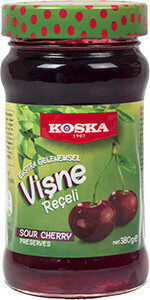
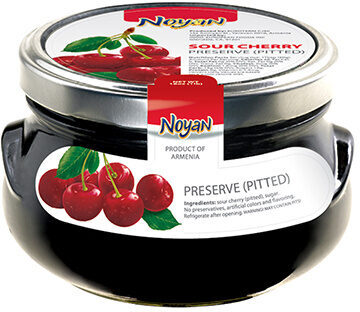
Auto-generated content. This description was generated automatically and is pending editorial review. Inaccuracies are possible. Found a mistake? Contact us.