Sour
What is Sour?
Sour is a taste sensation, not a specific ingredient. It is often created by adding acidic ingredients like vinegar, lemon juice, or cultured dairy products to foods. In processed foods, sour flavors can also be achieved using specific acidulants like citric acid or malic acid.
Is Sour gluten-free?
Gluten is not inherently associated with sourness.
Is Sour a major allergen?
Sour itself is not a major allergen.
What is Sour used for?
Manufacturers add sour flavors to foods to provide a tangy taste, balance sweetness, or enhance other flavors.
Is Sour safe?
Acidic ingredients used to create sour flavors are generally recognized as safe by the FDA when used as intended.
Why it's used
Manufacturers add sour flavors to foods to provide a tangy taste, balance sweetness, or enhance other flavors. It is commonly found in snacks like chips and pretzels, baked goods such as cakes and muffins, and savory items like dips and pickled products.
Health notes
Acidic ingredients used to create sour flavors are generally recognized as safe by the FDA when used as intended. Regulatory bodies like JECFA have evaluated many common acidulants. While excessive intake of highly acidic foods can potentially erode tooth enamel, typical consumption levels in food are not associated with adverse health effects.
Allergen info
Sour itself is not a major allergen. However, ingredients used to create sourness, such as cultured dairy or certain fruit extracts, could potentially be derived from major allergens. Gluten is not inherently associated with sourness.
Foods that contain Sour
Compare products →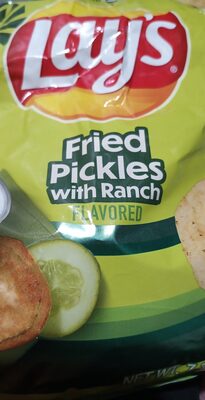
Learn more
Auto-generated content. This description was generated automatically and is pending editorial review. Inaccuracies are possible. Found a mistake? Contact us.