Soy Lecethin
Auto-generated content. This description was generated automatically and is pending editorial review. Inaccuracies are possible. Found a mistake? Contact us.
What it is
Soy lecithin is a fatty substance derived from soybeans. It is produced by extracting the oil from soybeans and then separating the lecithin from the oil. It's often used as an emulsifier, meaning it helps to mix ingredients that don't normally mix well, like oil and water.
Why it's used
Manufacturers add soy lecithin to foods to improve texture, stability, and shelf life. It helps prevent ingredients from separating, creates a smoother consistency, and can act as a wetting agent. You'll find it in a wide variety of products, including baked goods, chocolate, margarine, and processed meats.
Health notes
Soy lecithin is generally recognized as safe (GRAS) by the U.S. Food and Drug Administration (FDA). It is a common food additive and is not associated with significant health concerns at typical consumption levels. International bodies like the Joint FAO/WHO Expert Committee on Food Additives (JECFA) and the European Food Safety Authority (EFSA) have also evaluated soy lecithin, generally finding it safe for use.
Allergen info
Soy lecithin is derived from soy, which is one of the nine major allergens recognized by the FDA. Consumers with soy allergies should avoid products containing soy lecithin.
Products containing Soy Lecethin
Compare products →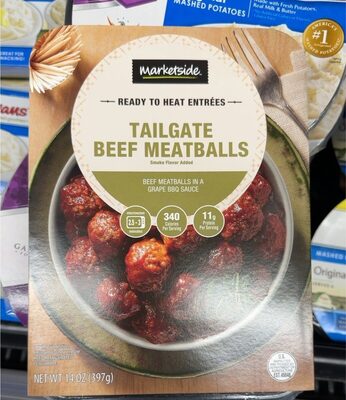 Wal-Mart Stores, Inc.
Tailgate Beef Meatballs, Tailgate Beef
High in saturated fat — 35% DV per serving
High in added sugars — 46% DV per serving
243kcal
7.9Protein
10.7Fat
26.4Carbs
Aron Streit Inc.
Dark Chocolate Non Pareils
High in saturated fat — 25% DV per serving
High in added sugars — 32% DV per serving
467kcal
3.3Protein
26.7Fat
66.7Carbs
Hilco LLC
Cherry Gumballs, Cherry
333kcal
0Protein
0Fat
80Carbs
Hilco LLC
Bubble Gumballs
333kcal
0Protein
0Fat
80Carbs
Hilco LLC
Gumballs
333kcal
0Protein
0Fat
80Carbs
Hilco LLC
Tutti Frutti Gumballs, Tutti Frutti
333kcal
0Protein
0Fat
80Carbs
Hilco LLC
Green Apple Gumballs, Green Apple
333kcal
0Protein
0Fat
80Carbs
Wal-Mart Stores, Inc.
Tailgate Beef Meatballs, Tailgate Beef
High in saturated fat — 35% DV per serving
High in added sugars — 46% DV per serving
243kcal
7.9Protein
10.7Fat
26.4Carbs
Aron Streit Inc.
Dark Chocolate Non Pareils
High in saturated fat — 25% DV per serving
High in added sugars — 32% DV per serving
467kcal
3.3Protein
26.7Fat
66.7Carbs
Hilco LLC
Cherry Gumballs, Cherry
333kcal
0Protein
0Fat
80Carbs
Hilco LLC
Bubble Gumballs
333kcal
0Protein
0Fat
80Carbs
Hilco LLC
Gumballs
333kcal
0Protein
0Fat
80Carbs
Hilco LLC
Tutti Frutti Gumballs, Tutti Frutti
333kcal
0Protein
0Fat
80Carbs
Hilco LLC
Green Apple Gumballs, Green Apple
333kcal
0Protein
0Fat
80Carbs