Soy Lecithin And Citric Acid
Auto-generated content. This description was generated automatically and is pending editorial review. Inaccuracies are possible. Found a mistake? Contact us.
What it is
Soy lecithin is a mixture of phospholipids extracted from soybeans. It is typically produced by degumming soybean oil, a process that involves separating the oil from the solid components of the soybean. Citric acid is a weak organic acid found naturally in citrus fruits like lemons and limes. It is commercially produced through the fermentation of carbohydrates by microorganisms.
Why it's used
Soy lecithin is commonly used as an emulsifier, helping to blend ingredients that don't normally mix, like oil and water. Citric acid is used as an acidity regulator, flavor enhancer, and preservative. Together, they are often found in baked goods, chocolate, and confectionery to improve texture and shelf life.
Health notes
Soy lecithin is generally recognized as safe (GRAS) by the FDA for use in food. Citric acid is also GRAS. Both ingredients are widely consumed and are not associated with adverse health effects at typical dietary levels. International bodies like JECFA and EFSA have evaluated these ingredients and established safety guidelines. There are no widespread controversies regarding their consumption.
Allergen info
Soy lecithin is derived from soy, which is one of the nine FDA major allergens. It does not contain gluten.
Products containing Soy Lecithin And Citric Acid
Compare products →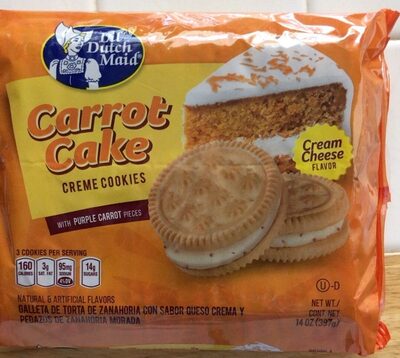 AbiMar Foods, Inc.
Carrot Cake Creme Cookies With Purple Carrot Pieces, Carrot Cake With Purple Carrot Pieces
High in added sugars — 28% DV per serving
444kcal
2.8Protein
19.4Fat
66.7Carbs
AbiMar Foods, Inc.
Carrot Cake Creme Cookies With Purple Carrot Pieces, Carrot Cake With Purple Carrot Pieces
High in added sugars — 28% DV per serving
444kcal
2.8Protein
19.4Fat
66.7Carbs