Soy Lecithin Or Sunflower Lecithin
Auto-generated content. This description was generated automatically and is pending editorial review. Inaccuracies are possible. Found a mistake? Contact us.
What it is
Lecithin is a type of fat that is found naturally in many foods, including soybeans and sunflower seeds. It is often extracted from these sources using a solvent like hexane, and then purified. Lecithin acts as an emulsifier, helping to blend ingredients that normally don't mix, like oil and water.
Why it's used
Manufacturers use lecithin as an emulsifier, stabilizer, and preservative in a wide variety of processed foods. It helps create a smoother texture, prevents ingredients from separating, and extends shelf life. You'll find it in baked goods, chocolate, margarine, and many other packaged foods.
Health notes
Soy lecithin and sunflower lecithin are generally recognized as safe (GRAS) by the FDA for use in food. They are common food ingredients and are not typically associated with adverse health effects at the levels found in food. International bodies like JECFA and EFSA have also evaluated lecithin. While some people may have sensitivities, evidence does not link typical consumption to major health issues.
Allergen info
Soy lecithin is derived from soy, which is one of the 9 FDA major allergens. Sunflower lecithin is not derived from any of the major allergens.
Products containing Soy Lecithin Or Sunflower Lecithin
Compare products →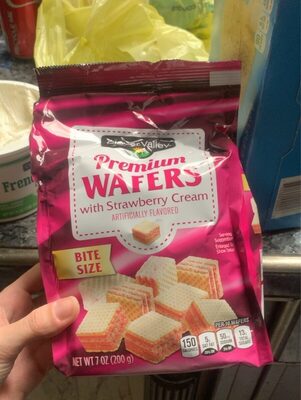 Original Gourmet Food Company Inc.
Premium Wafers With Strawberry Cream, Strawberry Cream
High in saturated fat — 25% DV per serving
High in added sugars — 24% DV per serving
484kcal
6.5Protein
22.6Fat
61.3Carbs
Ethel's Bakery, LLC
Chocolate Chip Cookies, Chocolate Chip
High in saturated fat — 22% DV per serving
464kcal
3.6Protein
28.6Fat
53.6Carbs
Vermont Cheese Products, Inc.
Sea Salt Caramel Cheddar Popcorn, Sea Salt Caramel Cheddar
433kcal
6.7Protein
23.3Fat
60Carbs
Original Gourmet Food Company Inc.
Premium Wafers With Strawberry Cream, Strawberry Cream
High in saturated fat — 25% DV per serving
High in added sugars — 24% DV per serving
484kcal
6.5Protein
22.6Fat
61.3Carbs
Ethel's Bakery, LLC
Chocolate Chip Cookies, Chocolate Chip
High in saturated fat — 22% DV per serving
464kcal
3.6Protein
28.6Fat
53.6Carbs
Vermont Cheese Products, Inc.
Sea Salt Caramel Cheddar Popcorn, Sea Salt Caramel Cheddar
433kcal
6.7Protein
23.3Fat
60Carbs