Soy Lecitihin
Auto-generated content. This description was generated automatically and is pending editorial review. Inaccuracies are possible. Found a mistake? Contact us.
What it is
Soy lecithin is a fatty substance derived from soybeans. It is typically produced by extracting the oil from soybeans and then separating the lecithin from the oil. It is often used as an emulsifier, meaning it helps to mix ingredients that normally don't mix well, like oil and water.
Why it's used
Manufacturers add soy lecithin to foods to improve texture and shelf life. It helps prevent ingredients from separating, creates a smoother consistency, and acts as a wetting agent. You can find it in baked goods, chocolate, margarine, and processed snacks.
Health notes
Soy lecithin is generally recognized as safe (GRAS) by the FDA. It is a common food additive and is considered safe for consumption at typical levels. International bodies like JECFA and EFSA have evaluated soy lecithin. While some people may have sensitivities, the scientific consensus is that it is safe for most individuals.
Allergen info
Soy lecithin is derived from soy, which is one of the 9 FDA major allergens. It does not contain gluten.
Products containing Soy Lecitihin
Compare products →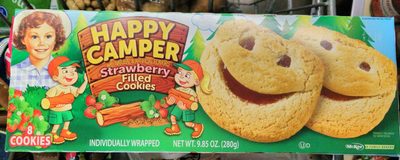 McKee Foods Corporation
Strawberry Filled Cookies, Strawberry
400kcal
2.9Protein
11.4Fat
71.4Carbs
Bread & Circus Inc.
Whole Foods Market, Chicken Salad Snack Pack
267kcal
11.3Protein
15.3Fat
24Carbs
Ahold USA, Inc.
Smoked Turkey & Cheese Lunch Kit
High in sodium — 23% DV per serving
High in saturated fat — 30% DV per serving
333kcal
14.8Protein
17.3Fat
29.6Carbs
Hy-Vee, Inc.
Animal Cookies
400kcal
6.7Protein
11.7Fat
70Carbs
Nash Finch Company
Original Animal Crackers, Original
433kcal
6.7Protein
13.3Fat
76.7Carbs
Safeway, Inc.
Old Fashioned Dinner Rolls
255kcal
8.5Protein
3.2Fat
44.7Carbs
McKee Foods Corporation
Strawberry Filled Cookies, Strawberry
400kcal
2.9Protein
11.4Fat
71.4Carbs
Bread & Circus Inc.
Whole Foods Market, Chicken Salad Snack Pack
267kcal
11.3Protein
15.3Fat
24Carbs
Ahold USA, Inc.
Smoked Turkey & Cheese Lunch Kit
High in sodium — 23% DV per serving
High in saturated fat — 30% DV per serving
333kcal
14.8Protein
17.3Fat
29.6Carbs
Hy-Vee, Inc.
Animal Cookies
400kcal
6.7Protein
11.7Fat
70Carbs
Nash Finch Company
Original Animal Crackers, Original
433kcal
6.7Protein
13.3Fat
76.7Carbs
Safeway, Inc.
Old Fashioned Dinner Rolls
255kcal
8.5Protein
3.2Fat
44.7Carbs