Soy Mono And Diglyceride
Auto-generated content. This description was generated automatically and is pending editorial review. Inaccuracies are possible. Found a mistake? Contact us.
What it is
Soy mono- and diglycerides are emulsifiers made from soybean oil. They are produced by reacting soybean oil with glycerol, a process that breaks down the oil into mono- and diglycerides. These compounds help blend ingredients that normally don't mix, like oil and water.
Why it's used
Manufacturers use soy mono- and diglycerides to improve the texture and shelf life of foods. They act as emulsifiers, helping to keep ingredients like oil and water mixed together. You can find them in products such as baked goods, ice cream, and margarine.
Health notes
Soy mono- and diglycerides are generally recognized as safe (GRAS) by the U.S. Food and Drug Administration (FDA). They are commonly used in food and are not associated with adverse health effects at typical consumption levels. International bodies like JECFA (Joint FAO/WHO Expert Committee on Food Additives) have evaluated them.
Allergen info
Soy mono- and diglycerides are derived from soy, which is one of the nine major allergens recognized by the FDA. People with soy allergies should avoid products containing this ingredient.
Products containing Soy Mono And Diglyceride
Compare products →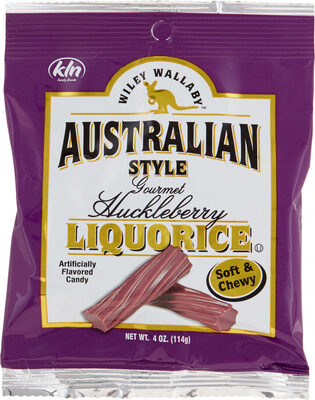 Kenny's Candy Company Inc.
Australian Style Gourmet Liquorice Candy, Huckleberry
316kcal
2.6Protein
1.3Fat
73.7Carbs
Kenny's Candy Company Inc.
Australian Style Gourmet Liquorice Sofy& Chewy Candy
333kcal
2.8Protein
1.4Fat
80.6Carbs
CVS Pharmacy, Inc.
Mini Twists, Green Apple
350kcal
2.5Protein
0Fat
80Carbs
Maud Borup, Inc.
Drive Me Wild Licorice Twists, Strawberry
342kcal
2.6Protein
0Fat
81.6Carbs
Torn & Glasser Inc
Strawberry Licorice Twists, Strawberry
342kcal
2.6Protein
0Fat
81.6Carbs
Kenny's Candy Company Inc.
Australian Style Gourmet Liquorice Candy, Huckleberry
316kcal
2.6Protein
1.3Fat
73.7Carbs
Kenny's Candy Company Inc.
Australian Style Gourmet Liquorice Sofy& Chewy Candy
333kcal
2.8Protein
1.4Fat
80.6Carbs
CVS Pharmacy, Inc.
Mini Twists, Green Apple
350kcal
2.5Protein
0Fat
80Carbs
Maud Borup, Inc.
Drive Me Wild Licorice Twists, Strawberry
342kcal
2.6Protein
0Fat
81.6Carbs
Torn & Glasser Inc
Strawberry Licorice Twists, Strawberry
342kcal
2.6Protein
0Fat
81.6Carbs
 Kenny's Candy Company Inc.
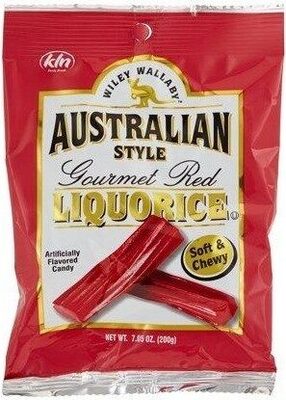
Gourmet Red Liquorice
342kcal
2.6Protein
1.3Fat
81.6Carbs
Troyer Dist. Co.
Backroad Country, Old Fashioned Red Twists
342kcal
2.6Protein
1.7Fat
81.6Carbs
Weis Markets, Inc.
Weis, Australian Black Licorice
316kcal
2.6Protein
2.6Fat
73.7Carbs
Kenny's Candy Company Inc.
Gourmet Red Liquorice
342kcal
2.6Protein
1.3Fat
81.6Carbs
Troyer Dist. Co.
Backroad Country, Old Fashioned Red Twists
342kcal
2.6Protein
1.7Fat
81.6Carbs
Weis Markets, Inc.
Weis, Australian Black Licorice
316kcal
2.6Protein
2.6Fat
73.7Carbs