Soybean And Rapeseed Oil
Auto-generated content. This description was generated automatically and is pending editorial review. Inaccuracies are possible. Found a mistake? Contact us.
What it is
Soybean and rapeseed oil are vegetable oils derived from soybeans and rapeseed plants, respectively. They are extracted from the seeds of these plants and then refined to remove impurities. These oils are widely used due to their neutral flavor and versatility in cooking and food production.
Why it's used
These oils are added to foods as a source of fat, providing texture, mouthfeel, and helping to carry flavors. They are commonly found in baked goods, snacks, dressings, and processed foods. Their liquid state at room temperature and ability to withstand heat make them suitable for frying and baking.
Health notes
Soybean and rapeseed oils are generally recognized as safe (GRAS) by the FDA for use in food. They are a source of unsaturated fats, including omega-3 and omega-6 fatty acids. JECFA has evaluated these oils and established specifications for their quality. While generally considered healthy in moderation as part of a balanced diet, excessive intake of any fat can contribute to weight gain.
Allergen info
Soybean oil is derived from soy, which is one of the nine FDA major allergens. Rapeseed oil is not derived from any of the major allergens and does not contain gluten.
Products containing Soybean And Rapeseed Oil
Compare products →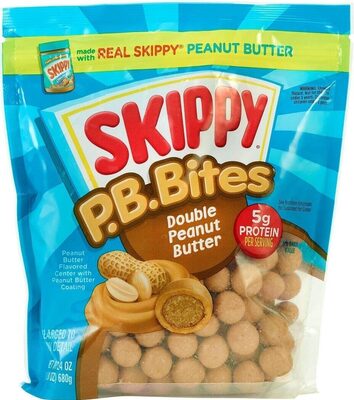 Hormel Foods Corporation
P.B. Bites, Double Peanut Butter
High in saturated fat — 35% DV per serving
533kcal
16.7Protein
33.3Fat
46.7Carbs
Hormel Foods Corporation
Double Peanut Butter Flavored Center With Peanut Butter Coating, Double Peanut Butter
High in saturated fat — 45% DV per serving
524kcal
14.3Protein
30.9Fat
47.6Carbs
Five Star Gourmet Foods Inc.
Apples, White Cheddar & P.B. Double Dippers
High in saturated fat — 35% DV per serving
229kcal
9.3Protein
16.1Fat
13.6Carbs
Hormel Foods Corporation
P.B.Bites Double Peanut Butter, Peanut Butter
High in saturated fat — 30% DV per serving
536kcal
14.3Protein
32.1Fat
50Carbs
Hormel Foods Corporation
P.B. Bites, Double Peanut Butter
High in saturated fat — 35% DV per serving
533kcal
16.7Protein
33.3Fat
46.7Carbs
Hormel Foods Corporation
Double Peanut Butter Flavored Center With Peanut Butter Coating, Double Peanut Butter
High in saturated fat — 45% DV per serving
524kcal
14.3Protein
30.9Fat
47.6Carbs
Five Star Gourmet Foods Inc.
Apples, White Cheddar & P.B. Double Dippers
High in saturated fat — 35% DV per serving
229kcal
9.3Protein
16.1Fat
13.6Carbs
Hormel Foods Corporation
P.B.Bites Double Peanut Butter, Peanut Butter
High in saturated fat — 30% DV per serving
536kcal
14.3Protein
32.1Fat
50Carbs
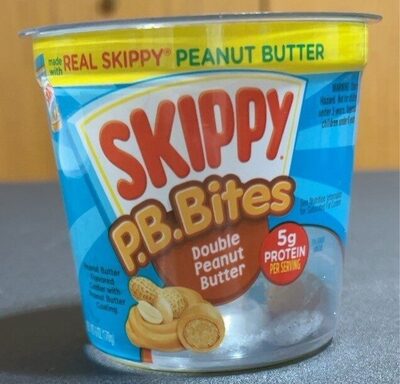 Hormel Foods Corporation
P.B.Bites, Double Peanut Butter
High in saturated fat — 35% DV per serving
533kcal
16.7Protein
33.3Fat
46.7Carbs
Hormel Foods Corporation
P.B.Bites, Double Peanut Butter
High in saturated fat — 35% DV per serving
533kcal
16.7Protein
33.3Fat
46.7Carbs
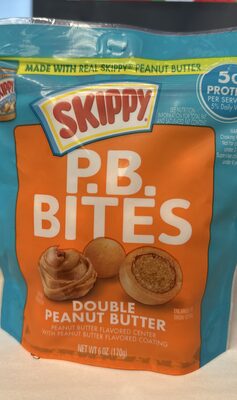 Hormel Foods Corporation
Double Peanut Butter P.B. Bites, Peanut Butter
High in saturated fat — 35% DV per serving
571kcal
17.9Protein
35.7Fat
50Carbs
Hormel Foods Corporation
Double Peanut Butter P.B. Bites, Peanut Butter
High in saturated fat — 35% DV per serving
571kcal
17.9Protein
35.7Fat
50Carbs