Soybean Soy Lecithin
Auto-generated content. This description was generated automatically and is pending editorial review. Inaccuracies are possible. Found a mistake? Contact us.
What it is
Soy lecithin is a fatty substance derived from soybeans. It is produced by extracting the oil from soybeans and then separating the lecithin from the oil. The resulting lecithin is often processed into a powder or liquid form.
Why it's used
Manufacturers use soy lecithin primarily as an emulsifier, helping to blend ingredients that normally don't mix well, like oil and water. It also acts as a stabilizer and can improve texture and shelf life. You'll find it in a wide variety of processed foods, including baked goods, chocolate, margarine, and salad dressings.
Health notes
Soy lecithin is generally recognized as safe (GRAS) by the FDA for use in food. It is a common food additive and is considered safe at typical consumption levels. International bodies like JECFA and EFSA have also evaluated lecithin. While soy is a major allergen, highly purified lecithin contains very little protein, and reactions are rare.
Allergen info
Soy lecithin is derived from soy, which is one of the nine FDA major allergens. However, the processing of soy into lecithin removes most of the soy protein, which is the primary allergen. Gluten is not present.
Products containing Soybean Soy Lecithin
Compare products →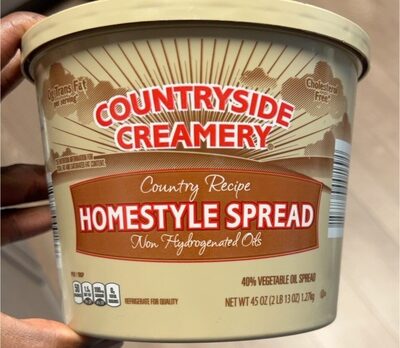 COUNTRYSIDE CREAMERY
Country Recipe Homestyle 40% Vegetable Oil Spread, Country Recipe
357kcal
0Protein
42.9Fat
0Carbs
Upfield US Inc
Hotel Bar, 53% Vegetable Oil Spread
500kcal
0Protein
50Fat
0Carbs
Connecticut Pie Inc.
Blondie Bites
High in saturated fat — 22% DV per serving
454kcal
5.0Protein
21.9Fat
58.8Carbs
GNP Company
Sand Tarts
321kcal
3.6Protein
8.9Fat
—Carbs
The Kroger Co.
P$$T, 53 % Vegetable Oil Spread
500kcal
0Protein
50Fat
0Carbs
The Kroger Co.
Vegetable Oil Spread
500kcal
0Protein
57.1Fat
0Carbs
Old Dutch Foods Inc
Caramel Puffcorn, Caramel
High in added sugars — 30% DV per serving
467kcal
0Protein
15Fat
80Carbs
The Federated Group, Inc.
Parade, Vegetable Oil Spread
500kcal
0Protein
50Fat
0Carbs
Schlotterbeck & Foss Co. Inc.
S&F Cooking Sauces, Marsala Cooking Sauce
High in sodium — 25% DV per serving
112kcal
0.8Protein
5.6Fat
9.6Carbs
Chiu Hop Company
Redner's, Vegetable Oil Spread
500kcal
0Protein
50Fat
0Carbs
Winn-Dixie Stores, Inc.
53% Vegetable Oil Spread
500kcal
0Protein
50Fat
0Carbs
COUNTRYSIDE CREAMERY
Country Recipe Homestyle 40% Vegetable Oil Spread, Country Recipe
357kcal
0Protein
42.9Fat
0Carbs
Upfield US Inc
Hotel Bar, 53% Vegetable Oil Spread
500kcal
0Protein
50Fat
0Carbs
Connecticut Pie Inc.
Blondie Bites
High in saturated fat — 22% DV per serving
454kcal
5.0Protein
21.9Fat
58.8Carbs
GNP Company
Sand Tarts
321kcal
3.6Protein
8.9Fat
—Carbs
The Kroger Co.
P$$T, 53 % Vegetable Oil Spread
500kcal
0Protein
50Fat
0Carbs
The Kroger Co.
Vegetable Oil Spread
500kcal
0Protein
57.1Fat
0Carbs
Old Dutch Foods Inc
Caramel Puffcorn, Caramel
High in added sugars — 30% DV per serving
467kcal
0Protein
15Fat
80Carbs
The Federated Group, Inc.
Parade, Vegetable Oil Spread
500kcal
0Protein
50Fat
0Carbs
Schlotterbeck & Foss Co. Inc.
S&F Cooking Sauces, Marsala Cooking Sauce
High in sodium — 25% DV per serving
112kcal
0.8Protein
5.6Fat
9.6Carbs
Chiu Hop Company
Redner's, Vegetable Oil Spread
500kcal
0Protein
50Fat
0Carbs
Winn-Dixie Stores, Inc.
53% Vegetable Oil Spread
500kcal
0Protein
50Fat
0Carbs