Spices Lactic Acid Starter Culture
What is Spices Lactic Acid Starter Culture?
Lactic acid starter cultures are mixtures of beneficial bacteria, primarily from the Lactobacillus and Streptococcus families. These bacteria are naturally found in dairy products and are used to ferment milk, producing lactic acid. This process is key to developing the characteristic flavors and textures in many fermented foods.
Is Spices Lactic Acid Starter Culture gluten-free?
They do not contain gluten.
Is Spices Lactic Acid Starter Culture a major allergen?
Lactic acid starter cultures are derived from bacteria, not from the major allergens.
What is Spices Lactic Acid Starter Culture used for?
Manufacturers add lactic acid starter cultures to foods like cheeses, yogurts, and sourdough breads.
Is Spices Lactic Acid Starter Culture safe?
Lactic acid starter cultures are considered safe by the FDA, often listed as GRAS (Generally Recognized As Safe).
Why it's used
Manufacturers add lactic acid starter cultures to foods like cheeses, yogurts, and sourdough breads. They act as a natural preservative by lowering pH and contribute tangy flavors and desirable textures. In processed meats like pepperoni, they help control spoilage and develop a specific flavor profile.
Health notes
Lactic acid starter cultures are considered safe by the FDA, often listed as GRAS (Generally Recognized As Safe). The bacteria in these cultures are generally considered beneficial for gut health, though specific health claims are not made by regulatory bodies. JECFA and EFSA have evaluated lactic acid and its salts, finding them safe for consumption.
Allergen info
Lactic acid starter cultures are derived from bacteria, not from the major allergens. They do not contain gluten.
Foods that contain Spices Lactic Acid Starter Culture
Compare products →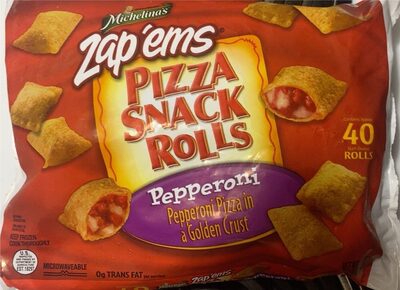 Bellisio Foods Inc
Pepperoni Pizza In A Golden Crust Pizza Snack Rolls, Pepperoni
247kcal
7.1Protein
11.8Fat
28.2Carbs
Chiu Hop Company
Pepperoni Cheese Baked Half Warm Bread W/Chs, Pepperoni
High in sodium — 29% DV per serving
High in saturated fat — 20% DV per serving
294kcal
10.6Protein
11.8Fat
38.8Carbs
Chiu Hop Company
Pepperoni In-Store Baked Bread W/Cheese-Whl, Pepperoni
High in sodium — 29% DV per serving
High in saturated fat — 20% DV per serving
294kcal
10.6Protein
—Fat
—Carbs
Taylor Fresh Foods, Inc.
Pepperoni Pizza Pepperoni, Provolone Cheese, And Green Leaf Lettuce Rolled In A Lavash Wrap Served With Marinara Sauce Roll Ups, Pepperoni Pizza
High in sodium — 41% DV per serving
High in saturated fat — 45% DV per serving
248kcal
10.1Protein
14.8Fat
17.4Carbs
Bellisio Foods Inc
Pepperoni Pizza In A Golden Crust Pizza Snack Rolls, Pepperoni
247kcal
7.1Protein
11.8Fat
28.2Carbs
Chiu Hop Company
Pepperoni Cheese Baked Half Warm Bread W/Chs, Pepperoni
High in sodium — 29% DV per serving
High in saturated fat — 20% DV per serving
294kcal
10.6Protein
11.8Fat
38.8Carbs
Chiu Hop Company
Pepperoni In-Store Baked Bread W/Cheese-Whl, Pepperoni
High in sodium — 29% DV per serving
High in saturated fat — 20% DV per serving
294kcal
10.6Protein
—Fat
—Carbs
Taylor Fresh Foods, Inc.
Pepperoni Pizza Pepperoni, Provolone Cheese, And Green Leaf Lettuce Rolled In A Lavash Wrap Served With Marinara Sauce Roll Ups, Pepperoni Pizza
High in sodium — 41% DV per serving
High in saturated fat — 45% DV per serving
248kcal
10.1Protein
14.8Fat
17.4Carbs
Auto-generated content. This description was generated automatically and is pending editorial review. Inaccuracies are possible. Found a mistake? Contact us.