Spicy Tuna
What is Spicy Tuna?
Spicy tuna is a popular sushi ingredient made from chopped or minced tuna, mixed with a spicy sauce. The tuna is typically cooked or canned, and the sauce often includes mayonnaise, chili oil, sriracha, or other spicy seasonings. It is then combined with the tuna to create a flavorful and zesty mixture.
Is Spicy Tuna vegan?
No. Spicy Tuna is animal-derived, so it is not vegan.
Is Spicy Tuna a major allergen?
Tuna is a fish, which is one of the 9 FDA major allergens.
What is Spicy Tuna used for?
Spicy tuna is primarily used as a filling or topping for sushi rolls and other Japanese dishes.
Is Spicy Tuna safe?
Tuna is a source of protein and omega-3 fatty acids.
Why it's used
Spicy tuna is primarily used as a filling or topping for sushi rolls and other Japanese dishes. Manufacturers add it to provide a distinct spicy flavor and a creamy texture. It is a common ingredient in sushi restaurants and ready-to-eat sushi products found in grocery stores.
Health notes
Tuna is a source of protein and omega-3 fatty acids. However, some types of tuna can contain higher levels of mercury, a heavy metal. The FDA advises certain groups, such as pregnant women and young children, to limit their consumption of certain fish due to mercury content. The health implications of spicy tuna are mainly related to the type of tuna used and the potential mercury levels, as well as the fat and sodium content of the added sauces.
Allergen info
Tuna is a fish, which is one of the 9 FDA major allergens. Therefore, spicy tuna is considered a major allergen.
Foods that contain Spicy Tuna
Compare products →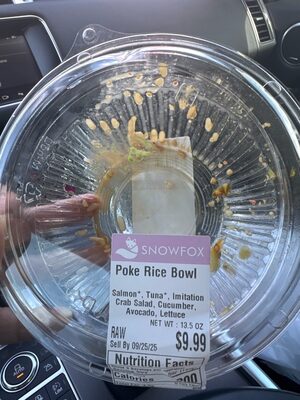 Japanese Food Express, Inc.
Rice Bowl
High in sodium — 67% DV per serving
High in cholesterol — 60% DV per serving
149kcal
8.7Protein
1.6Fat
23.8Carbs
Gavin & Bailey Consulting Firm LLC
Seared Tuna Roll, Seared Tuna
High in sodium — 29% DV per serving
125kcal
9.2Protein
1.8Fat
19.8Carbs
Sushi House, Inc.
Spicy Tuna Less Salt Soy Sauce Roll, Spicy Tuna
High in sodium — 21% DV per serving
138kcal
9.6Protein
—Fat
17.2Carbs
Japanese Food Express, Inc.
Rice Bowl
High in sodium — 67% DV per serving
High in cholesterol — 60% DV per serving
149kcal
8.7Protein
1.6Fat
23.8Carbs
Gavin & Bailey Consulting Firm LLC
Seared Tuna Roll, Seared Tuna
High in sodium — 29% DV per serving
125kcal
9.2Protein
1.8Fat
19.8Carbs
Sushi House, Inc.
Spicy Tuna Less Salt Soy Sauce Roll, Spicy Tuna
High in sodium — 21% DV per serving
138kcal
9.6Protein
—Fat
17.2Carbs
Learn more
Auto-generated content. This description was generated automatically and is pending editorial review. Inaccuracies are possible. Found a mistake? Contact us.