Star Aniseed
What is Star Aniseed?
Star aniseed is the star-shaped fruit of the Chinese evergreen tree Illicium verum. The fruit is harvested just before ripening and then dried. It has a strong, licorice-like flavor and aroma, similar to anise seed but more pungent.
Is Star Aniseed vegan?
Star Aniseed is not animal-derived. Products that contain it can still include other animal-derived ingredients, so check the full ingredient list.
Is Star Aniseed gluten-free?
It does not contain gluten.
Is Star Aniseed a major allergen?
Star aniseed is not one of the FDA's major allergens.
What is Star Aniseed used for?
Star aniseed is primarily used as a spice to add a distinct flavor to foods.
Is Star Aniseed safe?
Star aniseed is generally recognized as safe (GRAS) by the FDA when used as a spice.
Why it's used
Star aniseed is primarily used as a spice to add a distinct flavor to foods. It is a key ingredient in Chinese five-spice powder and is also used in Indian, Vietnamese, and Middle Eastern cuisines. Manufacturers add it to baked goods, curries, stews, and beverages for its warm, sweet, and spicy notes.
Health notes
Star aniseed is generally recognized as safe (GRAS) by the FDA when used as a spice. It is not a major source of nutrients. The European Food Safety Authority (EFSA) has evaluated star aniseed and found no safety concerns at typical consumption levels. Some studies suggest potential antioxidant and antimicrobial properties, but more research is needed. It's important to note that a different plant, Japanese star anise (Illicium anisatum), is toxic and should not be consumed.
Allergen info
Star aniseed is not one of the FDA's major allergens. It does not contain gluten.
Foods that contain Star Aniseed
Compare products →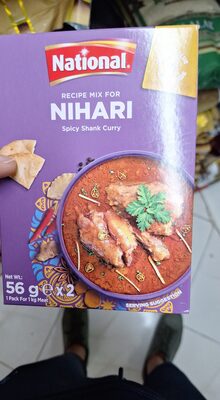
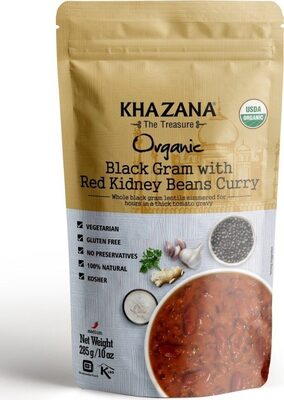
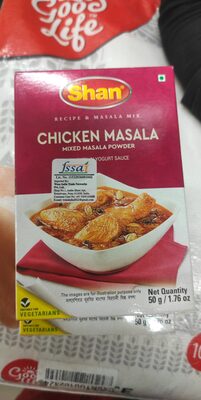
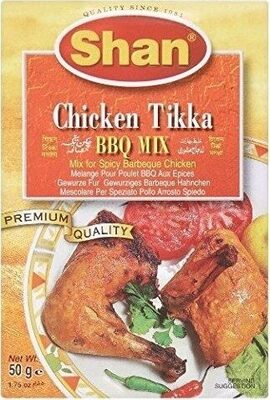
Learn more
Auto-generated content. This description was generated automatically and is pending editorial review. Inaccuracies are possible. Found a mistake? Contact us.