Sticky-rice
Auto-generated content. This description was generated automatically and is pending editorial review. Inaccuracies are possible. Found a mistake? Contact us.
What it is
Sticky rice, also known as glutinous rice or sweet rice, is a type of rice that becomes very sticky when cooked. It is a variety of rice (Oryza sativa) that is characterized by its high amylopectin starch content. It is grown and consumed in many parts of Asia, including Southeast Asia and East Asia.
Why it's used
Sticky rice is often used in sweet and savory dishes due to its unique texture. It is a staple in many Asian cuisines, used in desserts like rice pudding, as a side dish, or wrapped in leaves for steaming. In packaged foods, it can be found in snacks, rice cakes, and some breakfast cereals.
Health notes
Sticky rice is a source of carbohydrates and provides some protein and fiber. It is not typically subject to specific FDA regulations as a food additive. International bodies like JECFA have evaluated rice and its components, but specific evaluations for 'sticky rice' as a distinct ingredient with health implications are not commonly cited. Like other refined grains, it is primarily a source of energy.
Allergen info
Sticky rice is not a major allergen. It is a grain and does not contain gluten, as it is derived from rice, not wheat.
Products containing Sticky-rice
Compare products →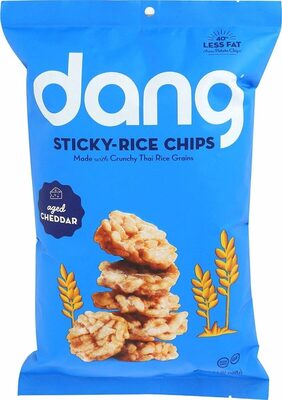 Dang Foods LLC
Aged Cheddar Thai Rice Chips, Aged Cheddar
500kcal
6.7Protein
23.3Fat
66.7Carbs
DANG
Sriracha Spice Spicy & Crispy Crunch Thai Rice Chips, Sriracha Spice
533kcal
6.7Protein
26.7Fat
63.3Carbs
Dang Foods LLC
Aged Cheddar Thai Rice Chips, Aged Cheddar
500kcal
6.7Protein
23.3Fat
66.7Carbs
DANG
Sriracha Spice Spicy & Crispy Crunch Thai Rice Chips, Sriracha Spice
533kcal
6.7Protein
26.7Fat
63.3Carbs
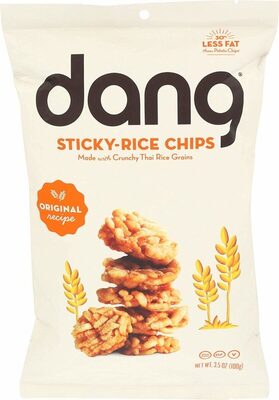 Dang Foods LLC
Original Recipe Roasty & Crispy Crunch Thai Rice Chips, Original Roasty & Crispy Crunch
500kcal
3.3Protein
23.3Fat
70Carbs
NOKCHAWON CO.,LTD.
Nokchawon, Iced Mixed Grain Tea
375kcal
5Protein
4.5Fat
80Carbs
Dang Foods LLC
Original Recipe Roasty & Crispy Crunch Thai Rice Chips, Original Roasty & Crispy Crunch
500kcal
3.3Protein
23.3Fat
70Carbs
NOKCHAWON CO.,LTD.
Nokchawon, Iced Mixed Grain Tea
375kcal
5Protein
4.5Fat
80Carbs
 Dang Foods LLC
Coconut Crunch Thai Rice Chips, Coconut Crunch
High in saturated fat — 20% DV per serving
500kcal
3.3Protein
23.3Fat
66.7Carbs
Dang Foods LLC
Coconut Crunch Thai Rice Chips, Coconut Crunch
High in saturated fat — 20% DV per serving
500kcal
3.3Protein
23.3Fat
66.7Carbs
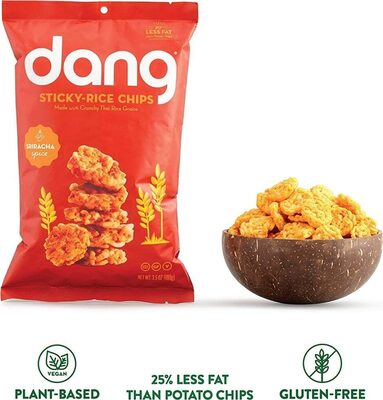 Dang Foods LLC
Sriracha Spice Thai Rice Chips, Sriracha Spice
533kcal
6.7Protein
26.7Fat
63.3Carbs
Dang Foods LLC
Savory Seaweed Thai Rice Chips, Savory Seaweed
500kcal
6.7Protein
26.7Fat
63.3Carbs
Dang Foods LLC
Sriracha Spice Thai Rice Chips, Sriracha Spice
533kcal
6.7Protein
26.7Fat
63.3Carbs
Dang Foods LLC
Savory Seaweed Thai Rice Chips, Savory Seaweed
500kcal
6.7Protein
26.7Fat
63.3Carbs
 Dang Foods LLC
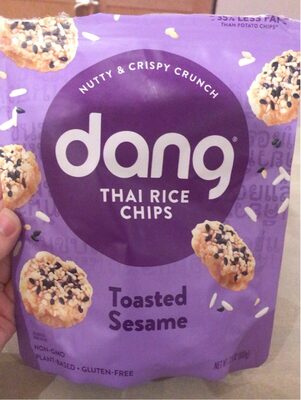
Toasted Sesame Thai Rice Chips, Toasted Sesame
500kcal
6.7Protein
23.3Fat
3.3Carbs
Dang Foods LLC
Toasted Sesame Thai Rice Chips, Toasted Sesame
500kcal
6.7Protein
23.3Fat
3.3Carbs
 Artesani Inc.
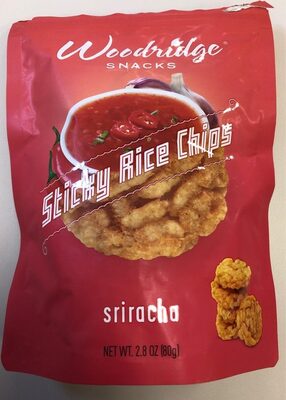
Sriracha Sticky Rice Chips, Sriracha
467kcal
6.7Protein
230Fat
66.7Carbs
Artesani Inc.
Sriracha Sticky Rice Chips, Sriracha
467kcal
6.7Protein
230Fat
66.7Carbs
 Artesani Inc.
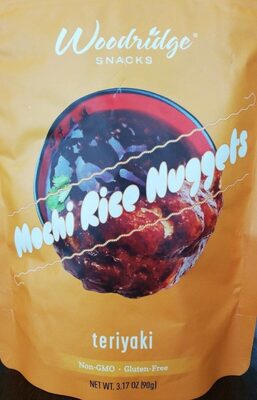
Teriyaki Mochi Rice Nuggets, Teriyaki
333kcal
6.7Protein
1.7Fat
73.3Carbs
Preferred Meal Systems, Inc.
Grilled Salmon
High in sodium — 36% DV per serving
High in cholesterol — 28% DV per serving
141kcal
8.1Protein
5.3Fat
15.6Carbs
Artesani Inc.
Teriyaki Mochi Rice Nuggets, Teriyaki
333kcal
6.7Protein
1.7Fat
73.3Carbs
Preferred Meal Systems, Inc.
Grilled Salmon
High in sodium — 36% DV per serving
High in cholesterol — 28% DV per serving
141kcal
8.1Protein
5.3Fat
15.6Carbs
 Dang Foods LLC
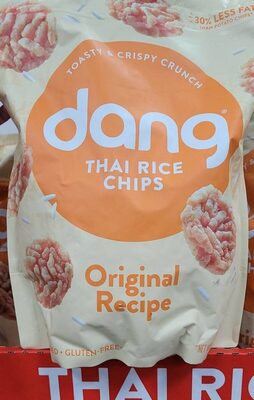
Original Recipe Thai Rice Chips, Original Recipe
500kcal
3.3Protein
23.3Fat
70Carbs
Dang Foods LLC
Original Recipe Thai Rice Chips, Original Recipe
500kcal
3.3Protein
23.3Fat
70Carbs