Sucralose Non-nutritive Sweetener
Auto-generated content. This description was generated automatically and is pending editorial review. Inaccuracies are possible. Found a mistake? Contact us.
What it is
Sucralose is a non-nutritive sweetener, meaning it provides sweetness with virtually no calories. It is made from sugar through a process that replaces three hydroxyl groups with chlorine atoms. This chemical modification makes sucralose about 600 times sweeter than sugar.
Why it's used
Manufacturers use sucralose to provide intense sweetness in a wide range of "sugar-free" or "reduced-calorie" products without significantly altering the taste. It is heat-stable, making it suitable for baked goods and other cooked foods. Common applications include diet beverages, chewing gum, dairy products, and desserts.
Health notes
In the U.S., sucralose is generally recognized as safe (GRAS) by the FDA for use as a sweetener. International bodies like JECFA and EFSA have also evaluated sucralose. Research on the long-term health effects of non-nutritive sweeteners is ongoing, and some studies have explored potential impacts on gut microbiota, though findings are not always consistent. At typical consumption levels, regulatory agencies consider it safe.
Allergen info
Sucralose is not derived from any of the nine FDA major allergens. It does not contain gluten.
Products containing Sucralose Non-nutritive Sweetener
Compare products →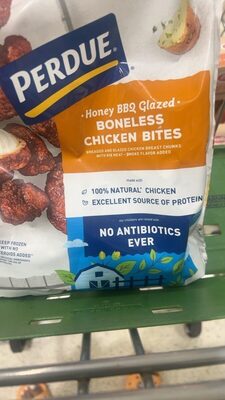 Perdue Farms Incorporated
Honey BBQ Glazed Boneless Chicken Bites, Honey BBQ Glazed
190kcal
13.1Protein
7.1Fat
17.9Carbs
Perdue Farms Incorporated
Honey BBQ Glazed Boneless Chicken Bites, Honey BBQ Glazed
190kcal
13.1Protein
7.1Fat
17.9Carbs
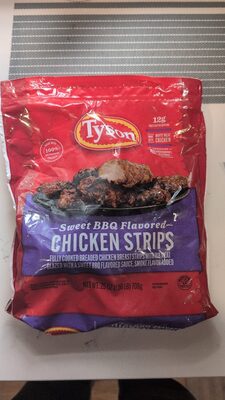 Tyson Foods, Inc.
Honey BBQ Chicken Strips, Honey BBQ
High in sodium — 23% DV per serving
226kcal
14.3Protein
8.3Fat
23.8Carbs
Tyson Foods, Inc.
Honey BBQ Flavored Boneless Chicken Bites, Honey BBQ
High in sodium — 20% DV per serving
226kcal
14.3Protein
9.5Fat
21.4Carbs
Tyson Foods, Inc.
Honey BBQ Boneless Chicken Bites, Honey BBQ
High in sodium — 20% DV per serving
226kcal
14.3Protein
9.5Fat
21.4Carbs
Tyson Foods, Inc.
Honey BBQ Chicken Strips, Honey BBQ
High in sodium — 23% DV per serving
226kcal
14.3Protein
8.3Fat
23.8Carbs
Tyson Foods, Inc.
Honey BBQ Flavored Boneless Chicken Bites, Honey BBQ
High in sodium — 20% DV per serving
226kcal
14.3Protein
9.5Fat
21.4Carbs
Tyson Foods, Inc.
Honey BBQ Boneless Chicken Bites, Honey BBQ
High in sodium — 20% DV per serving
226kcal
14.3Protein
9.5Fat
21.4Carbs
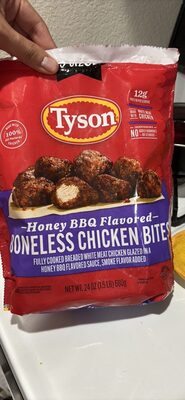 Tyson Foods, Inc.
Honey BBQ Boneless Chicken Bites, Honey BBQ
High in sodium — 20% DV per serving
226kcal
14.3Protein
9.5Fat
21.4Carbs
Tyson Foods Inc.
FC HBBQ FLVD BNLS CKN CHNK Fritters
High in sodium — 24% DV per serving
224kcal
13.7Protein
9.3Fat
21.5Carbs
Tyson Foods, Inc.
Honey BBQ Boneless Chicken Bites, Honey BBQ
High in sodium — 20% DV per serving
226kcal
14.3Protein
9.5Fat
21.4Carbs
Tyson Foods Inc.
FC HBBQ FLVD BNLS CKN CHNK Fritters
High in sodium — 24% DV per serving
224kcal
13.7Protein
9.3Fat
21.5Carbs