Sugar And Spices
Auto-generated content. This description was generated automatically and is pending editorial review. Inaccuracies are possible. Found a mistake? Contact us.
What it is
Sugar and spices" refers to a blend of sweetening agents, typically sucrose derived from sugar cane or sugar beets, and various dried plant parts used for their aromatic and flavoring properties. Sugar is extracted and refined, while spices are dried and often ground parts of plants like seeds, fruits, roots, or bark.
Why it's used
This blend is primarily used to add both sweetness and complex flavors to a wide range of foods. It is commonly found in seasoning rubs for meats, marinades, baked goods, sauces, and some beverages. Beyond flavoring, sugar also contributes to texture and can act as a mild preservative, while spices enhance aroma and taste.
Health notes
Both sugar and common spices are generally recognized as safe (GRAS) by the FDA when consumed in typical food amounts. However, the 2025-2030 Dietary Guidelines for Americans recommend no amount of added sugars, and at most 10 grams of added sugars per meal. The World Health Organization (WHO) also advises limiting free sugars to less than 10% of total energy intake. JECFA has evaluated various individual sugars and spices, often concluding that they do not require a specific acceptable daily intake (ADI) or setting one. While excessive intake of added sugars is a public health concern, spices are generally consumed in small quantities and are not typically associated with adverse health effects at those levels, though some individuals may have sensitivities to specific spices.
Allergen info
Neither sugar nor the general category of spices are among the 9 major food allergens identified by the FDA (milk, egg, fish, shellfish, tree nuts, peanuts, wheat, soy, sesame).
Products containing Sugar And Spices
Compare products →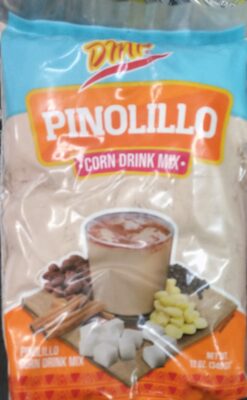 Global Garlic Inc.
Corn Drink Mix Pinolillo
176kcal
5.3Protein
5.3Fat
38.8Carbs
Louisburg Cider Mill, Inc.
Butter, Pumpkin
100kcal
0Protein
0Fat
26.7Carbs
Louisburg Cider Mill, Inc.
Old Fashioned Apple Butter
100kcal
0Protein
0Fat
26.7Carbs
Louisburg Cider Mill, Inc.
Old Fashioned Apple Butter
100kcal
0Protein
0Fat
26.7Carbs
The Federated Group, Inc.
Mayonnaise
786kcal
0Protein
78.6Fat
0Carbs
Bashas' Markets
Dos Ranchitos, Beef Tamales
High in sodium — 23% DV per serving
High in saturated fat — 22% DV per serving
168kcal
7.1Protein
9.7Fat
13.3Carbs
Bashas' Markets
Dos Ranchitos, Pork Tamales
High in sodium — 21% DV per serving
High in saturated fat — 20% DV per serving
177kcal
8.0Protein
8.8Fat
15.9Carbs
Beroske Farms & Greenhouse Inc.
Charley's Chips, Fresh Tortilla Chips
536kcal
7.1Protein
32.1Fat
60.7Carbs
Weis Markets, Inc.
Spiced Apple Butter, Spiced
176kcal
0Protein
0Fat
47.1Carbs
Global Garlic Inc.
Corn Drink Mix Pinolillo
176kcal
5.3Protein
5.3Fat
38.8Carbs
Louisburg Cider Mill, Inc.
Butter, Pumpkin
100kcal
0Protein
0Fat
26.7Carbs
Louisburg Cider Mill, Inc.
Old Fashioned Apple Butter
100kcal
0Protein
0Fat
26.7Carbs
Louisburg Cider Mill, Inc.
Old Fashioned Apple Butter
100kcal
0Protein
0Fat
26.7Carbs
The Federated Group, Inc.
Mayonnaise
786kcal
0Protein
78.6Fat
0Carbs
Bashas' Markets
Dos Ranchitos, Beef Tamales
High in sodium — 23% DV per serving
High in saturated fat — 22% DV per serving
168kcal
7.1Protein
9.7Fat
13.3Carbs
Bashas' Markets
Dos Ranchitos, Pork Tamales
High in sodium — 21% DV per serving
High in saturated fat — 20% DV per serving
177kcal
8.0Protein
8.8Fat
15.9Carbs
Beroske Farms & Greenhouse Inc.
Charley's Chips, Fresh Tortilla Chips
536kcal
7.1Protein
32.1Fat
60.7Carbs
Weis Markets, Inc.
Spiced Apple Butter, Spiced
176kcal
0Protein
0Fat
47.1Carbs
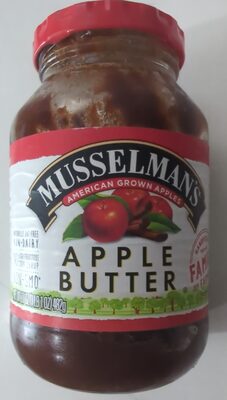 Knouse Foods, Inc/musselman Dv
Apple Butter, Apple
176kcal
0Protein
0Fat
47.1Carbs
Knouse Foods, Inc/musselman Dv
Apple Butter, Apple
176kcal
0Protein
0Fat
47.1Carbs