Sugar Cone
What is Sugar Cone?
A sugar cone is a type of edible cone made from a batter of flour, sugar, and oil or shortening. The batter is baked in a mold to create a crisp, hollow cone shape, often used as a vessel for ice cream.
Is Sugar Cone vegan?
Sugar Cone is not animal-derived. Products that contain it can still include other animal-derived ingredients, so check the full ingredient list.
Is Sugar Cone gluten-free?
Sugar cones are typically made with wheat flour, which contains gluten.
What is Sugar Cone used for?
Sugar cones are primarily used as a crunchy, edible container for ice cream and other frozen desserts.
Is Sugar Cone safe?
Sugar cones are primarily a source of carbohydrates and sugars.
Why it's used
Sugar cones are primarily used as a crunchy, edible container for ice cream and other frozen desserts. They provide a sweet flavor and a contrasting texture to the creamy filling. Manufacturers add them to products like ice cream novelties and pre-packaged ice cream cones.
Health notes
Sugar cones are primarily a source of carbohydrates and sugars. The FDA considers sugar to be Generally Recognized As Safe (GRAS) for use in food. While excessive sugar intake is linked to health concerns like weight gain and dental issues, sugar cones are typically consumed in moderation as part of a dessert. International bodies like JECFA and EFSA have evaluated sugars and their metabolic effects.
Allergen info
Sugar cones are typically made with wheat flour, which contains gluten. Wheat is one of the FDA's major allergens.
Foods that contain Sugar Cone
Compare products →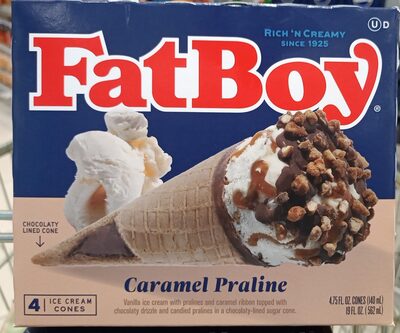

Learn more
Auto-generated content. This description was generated automatically and is pending editorial review. Inaccuracies are possible. Found a mistake? Contact us.