Sugar Vegetable Oil
Auto-generated content. This description was generated automatically and is pending editorial review. Inaccuracies are possible. Found a mistake? Contact us.
What it is
Vegetable oil is a fat extracted from plants. Common sources include soybeans, corn, canola, and sunflowers. The oil is typically refined to remove impurities and create a stable product for cooking and food manufacturing.
Why it's used
Vegetable oils are used in a wide variety of processed foods as a source of fat, to improve texture, and to extend shelf life. They are common in baked goods like cookies and cakes, as well as in fried foods, dressings, and sauces.
Health notes
Vegetable oils are generally recognized as safe (GRAS) by the FDA for use in food. They provide essential fatty acids and fat-soluble vitamins. While generally healthy in moderation, high intake of certain types of fats, like saturated and trans fats, has been linked to increased risk of heart disease. Regulatory bodies like JECFA and EFSA have evaluated various fats and oils.
Allergen info
Vegetable oils are not typically considered major allergens. However, oils derived from soy or tree nuts may be a concern for individuals with specific allergies to those sources. Gluten is not present in pure vegetable oils.
Products containing Sugar Vegetable Oil
Compare products →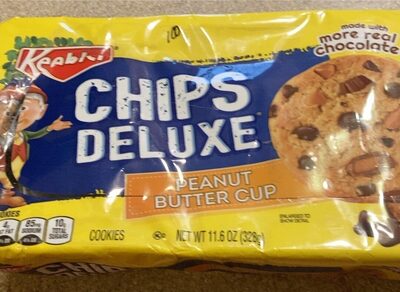 Mother's Cake & Cookie Company
Peanut Butter Cup Cookies, Peanut Butter
High in saturated fat — 20% DV per serving
High in added sugars — 20% DV per serving
531kcal
6.2Protein
28.1Fat
62.5Carbs
Raley's
4"" Raspberry Cheesecake, 4"" Raspberry
High in saturated fat — 115% DV per serving
High in cholesterol — 27% DV per serving
395kcal
4.3Protein
22.7Fat
42.7Carbs
Mother's Cake & Cookie Company
Peanut Butter Cup Cookies, Peanut Butter
High in saturated fat — 20% DV per serving
High in added sugars — 20% DV per serving
531kcal
6.2Protein
28.1Fat
62.5Carbs
Raley's
4"" Raspberry Cheesecake, 4"" Raspberry
High in saturated fat — 115% DV per serving
High in cholesterol — 27% DV per serving
395kcal
4.3Protein
22.7Fat
42.7Carbs
 Marquez Brothers International, Inc.
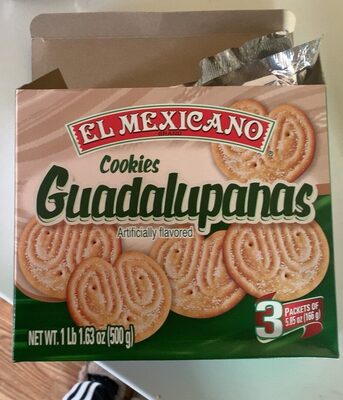
Guadalupanas Cookies, Guadalupanas
433kcal
6.7Protein
16.7Fat
66.7Carbs
Marquez Brothers International, Inc.
Guadalupanas Cookies, Guadalupanas
433kcal
6.7Protein
16.7Fat
66.7Carbs
 The Hershey Company
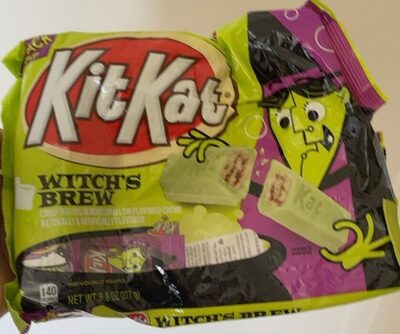
Witch's Brew Crisp Wafers In Marshmallow Flavored Creme, Crisp Wafer In Marshmallow
High in saturated fat — 22% DV per serving
High in added sugars — 22% DV per serving
500kcal
7.1Protein
28.6Fat
64.3Carbs
Nestle USA Inc.
Cinnamon Roll Sugar Cookie Dough With Cream Cheese Pieces, Cinnamon Roll
450kcal
5Protein
20Fat
60Carbs
The Hershey Company
Witch's Brew Crisp Wafers In Marshmallow Flavored Creme, Crisp Wafer In Marshmallow
High in saturated fat — 22% DV per serving
High in added sugars — 22% DV per serving
500kcal
7.1Protein
28.6Fat
64.3Carbs
Nestle USA Inc.
Cinnamon Roll Sugar Cookie Dough With Cream Cheese Pieces, Cinnamon Roll
450kcal
5Protein
20Fat
60Carbs