Sunflower Safflower Canola Oil
What is Sunflower Safflower Canola Oil?
This is a blend of oils derived from sunflower, safflower, and canola seeds. The seeds are typically pressed to extract the oil, which may then be refined, bleached, and deodorized for use in food products. This blend offers a neutral flavor and a good source of monounsaturated and polyunsaturated fats.
Is Sunflower Safflower Canola Oil vegan?
Sunflower Safflower Canola Oil is not animal-derived. Products that contain it can still include other animal-derived ingredients, so check the full ingredient list.
Is Sunflower Safflower Canola Oil a major allergen?
Not a major allergen.
What is Sunflower Safflower Canola Oil used for?
Manufacturers use this oil blend as a cooking oil and a source of fat in processed foods.
Is Sunflower Safflower Canola Oil safe?
Sunflower, safflower, and canola oils are generally recognized as safe (GRAS) by the FDA for use in food.
Why it's used
Manufacturers use this oil blend as a cooking oil and a source of fat in processed foods. Its neutral taste and stability make it suitable for a wide range of products, including salad dressings, mayonnaise, baked goods, chips, and snacks. It contributes to texture and mouthfeel in these foods.
Health notes
Sunflower, safflower, and canola oils are generally recognized as safe (GRAS) by the FDA for use in food. They are a source of unsaturated fats, which are considered healthier fats when consumed in moderation as part of a balanced diet. International bodies like JECFA have evaluated edible oils. Evidence does not suggest adverse health effects from consuming these oils at typical dietary levels.
Allergen info
Not a major allergen. Canola is a member of the mustard family, not soy, and is not a major allergen. Sunflower and safflower are not major allergens.
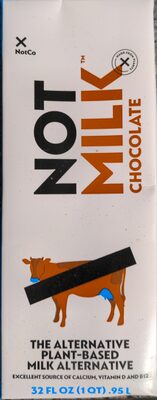
Foods that contain Sunflower Safflower Canola Oil
Compare products →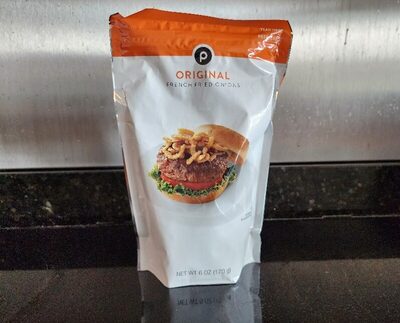
Learn more
Auto-generated content. This description was generated automatically and is pending editorial review. Inaccuracies are possible. Found a mistake? Contact us.