Sunflower Tocopherol
Auto-generated content. This description was generated automatically and is pending editorial review. Inaccuracies are possible. Found a mistake? Contact us.
What it is
Sunflower tocopherol is a form of vitamin E derived from sunflower oil. It is a fat-soluble antioxidant, meaning it helps protect cells from damage caused by unstable molecules called free radicals. It is produced through the extraction and purification of tocopherols from vegetable oils.
Why it's used
Manufacturers add sunflower tocopherol primarily as an antioxidant to prevent fats and oils in foods from going rancid, which extends shelf life. It is commonly found in packaged foods with higher fat content, such as snack bars, cereals, and baked goods.
Health notes
Sunflower tocopherol is generally recognized as safe (GRAS) by the FDA for use as a food additive. As a form of vitamin E, it plays a role in human health, and typical dietary intakes are not associated with adverse effects. International bodies like JECFA have evaluated tocopherols and their safety.
Allergen info
Sunflower tocopherol is not derived from any of the nine major allergens recognized by the FDA. It does not contain gluten.
Products containing Sunflower Tocopherol
Compare products →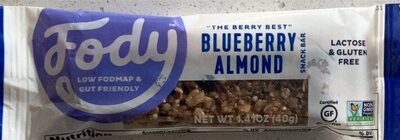 FODY
Blueberry Almond Snack Bar, Blueberry Almond
400kcal
7.5Protein
15Fat
60Carbs
FODY
Blueberry Almond Snack Bar, Blueberry Almond
400kcal
7.5Protein
15Fat
60Carbs
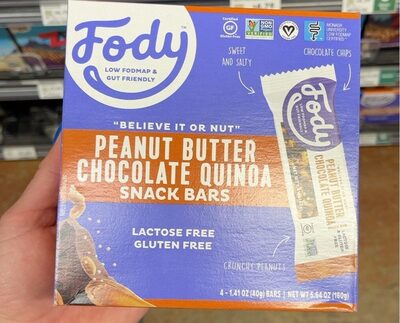 FODY
Peanut Butter Chocolate Quinoa Snack Bars, Peanut Butter Chocolate Quinoa
500kcal
15Protein
35Fat
40Carbs
CV Linens
Salted Caramel Flavor Chewy-Nutty Bars, Salted Caramel
High in saturated fat — 20% DV per serving
450kcal
20Protein
32.5Fat
37.5Carbs
Nutrisystem, Inc.
Birthday Cake Squares Nightcap Snacks, Birthday Cake Squares
High in saturated fat — 25% DV per serving
425kcal
17.5Protein
27.5Fat
42.5Carbs
CV Linens
Dark Chocolatey Sea Salt & Almond Chewy-Nutty Nut Bars, Dark Chocolatey Sea Salt & Almond
450kcal
20Protein
32.5Fat
37.5Carbs
FODY
Peanut Butter Chocolate Quinoa Snack Bars, Peanut Butter Chocolate Quinoa
500kcal
15Protein
35Fat
40Carbs
CV Linens
Salted Caramel Flavor Chewy-Nutty Bars, Salted Caramel
High in saturated fat — 20% DV per serving
450kcal
20Protein
32.5Fat
37.5Carbs
Nutrisystem, Inc.
Birthday Cake Squares Nightcap Snacks, Birthday Cake Squares
High in saturated fat — 25% DV per serving
425kcal
17.5Protein
27.5Fat
42.5Carbs
CV Linens
Dark Chocolatey Sea Salt & Almond Chewy-Nutty Nut Bars, Dark Chocolatey Sea Salt & Almond
450kcal
20Protein
32.5Fat
37.5Carbs
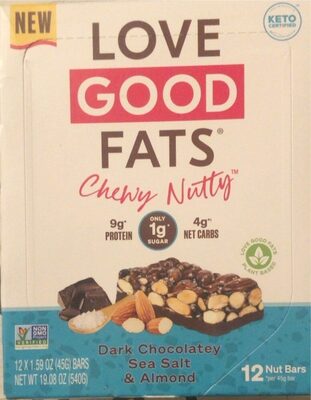 CV Linens
Dark Chocolatey Sea Salt & Almond Chewy-Nutty Nut Bars, Dark Chocolatey Sea Salt & Almond
450kcal
20Protein
32.5Fat
37.5Carbs
CV Linens
Dark Chocolatey Sea Salt & Almond Chewy-Nutty Nut Bars, Dark Chocolatey Sea Salt & Almond
450kcal
20Protein
32.5Fat
37.5Carbs
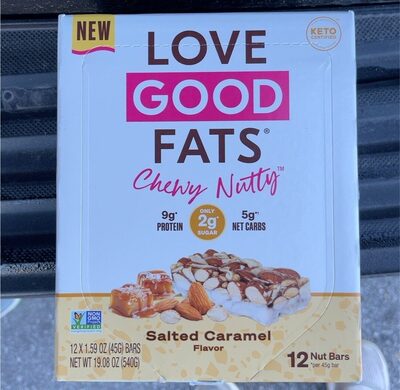 CV Linens
Salted Caramel Nut Bars, Salted Caramel
High in saturated fat — 20% DV per serving
450kcal
20Protein
32.5Fat
37.5Carbs
CV Linens
Salted Caramel Nut Bars, Salted Caramel
High in saturated fat — 20% DV per serving
450kcal
20Protein
32.5Fat
37.5Carbs