Sweet Basil Leaves
What is Sweet Basil Leaves?
Sweet basil is an herb native to tropical regions of the world. It is widely cultivated for its aromatic leaves, which are used fresh or dried as a culinary herb. The plant belongs to the mint family (Lamiaceae).
Is Sweet Basil Leaves vegan?
Sweet Basil Leaves is not animal-derived. Products that contain it can still include other animal-derived ingredients, so check the full ingredient list.
Is Sweet Basil Leaves gluten-free?
It does not contain gluten.
Is Sweet Basil Leaves a major allergen?
Sweet basil is not derived from any of the nine FDA major allergens.
What is Sweet Basil Leaves used for?
Sweet basil leaves are primarily used to add a distinct, sweet, slightly peppery flavor to foods.
Is Sweet Basil Leaves safe?
Sweet basil leaves are generally recognized as safe (GRAS) by the FDA for use as a food flavoring.
Why it's used
Sweet basil leaves are primarily used to add a distinct, sweet, slightly peppery flavor to foods. They are a key ingredient in many Italian dishes, such as pesto and tomato sauces, and are also used in Thai and Vietnamese cuisine. Manufacturers use it as a flavoring agent in soups, sauces, dressings, and prepared meals.
Health notes
Sweet basil leaves are generally recognized as safe (GRAS) by the FDA for use as a food flavoring. They contain various vitamins, minerals, and antioxidants. International bodies like JECFA and EFSA have evaluated basil and its extracts, and have established safety guidelines. At typical dietary intake levels, basil is considered safe and may contribute beneficial compounds.
Allergen info
Sweet basil is not derived from any of the nine FDA major allergens. It does not contain gluten.
Foods that contain Sweet Basil Leaves
Compare products →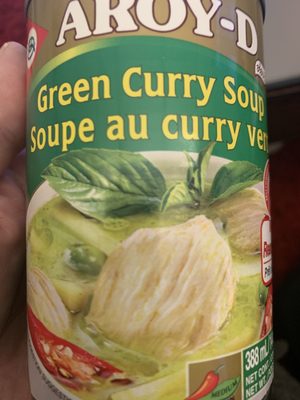
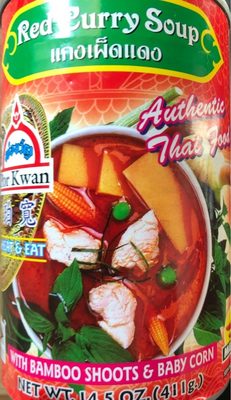
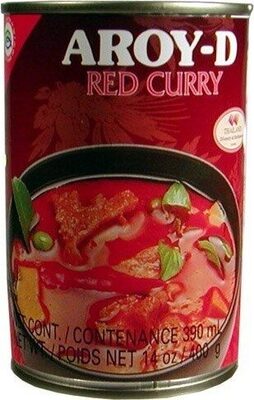
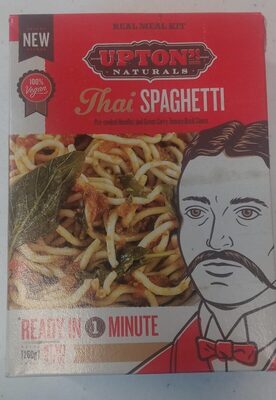
Learn more
Auto-generated content. This description was generated automatically and is pending editorial review. Inaccuracies are possible. Found a mistake? Contact us.