Sweet Rice Powder
What is Sweet Rice Powder?
Sweet rice powder is a finely milled flour made from a type of rice called glutinous rice, which is known for its sticky texture when cooked. Despite its name, it does not contain gluten. It is a staple ingredient in many Asian cuisines.
Is Sweet Rice Powder vegan?
Sweet Rice Powder is not animal-derived. Products that contain it can still include other animal-derived ingredients, so check the full ingredient list.
Is Sweet Rice Powder gluten-free?
It is a grain product and is gluten-free.
Is Sweet Rice Powder a major allergen?
Sweet rice powder is not derived from any of the nine major allergens.
What is Sweet Rice Powder used for?
Manufacturers use sweet rice powder as a thickener in sauces, soups, and desserts due to its smooth texture and neutral flavor.
Is Sweet Rice Powder safe?
Sweet rice powder is generally recognized as safe (GRAS) by the FDA for use in food.
Why it's used
Manufacturers use sweet rice powder as a thickener in sauces, soups, and desserts due to its smooth texture and neutral flavor. It is also used as a binder and to create a chewy texture in products like mochi and dumplings. It is commonly found in Asian sauces and pastes.
Health notes
Sweet rice powder is generally recognized as safe (GRAS) by the FDA for use in food. It is a carbohydrate source and provides energy. Regulatory bodies like JECFA have evaluated rice and its derivatives, typically finding them safe for consumption. There are no widespread health controversies associated with its typical use in food.
Allergen info
Sweet rice powder is not derived from any of the nine major allergens. It is a grain product and is gluten-free.
Foods that contain Sweet Rice Powder
Compare products →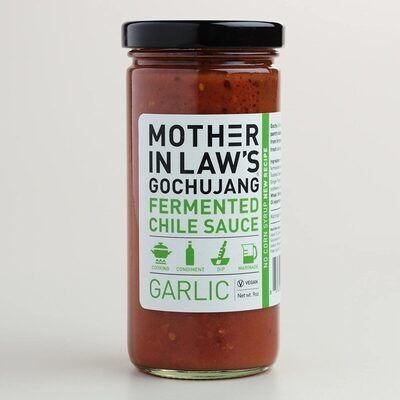 MILKimchi Inc
Gochujang, Fermented Chile Paste, Garlic
353kcal
5.9Protein
17.6Fat
35.3Carbs
MILKimchi Inc
Gochujang Fermented Chile Paste, Tangy, Medium Heat
206kcal
5.9Protein
2.9Fat
41.2Carbs
MILKimchi Inc
Gochunjang 02 Fermented Chile Paste, Sesame
353kcal
5.9Protein
20.6Fat
35.3Carbs
Kilwon's Foods
Sauce, Hot & Spicy
133kcal
0Protein
0Fat
33.3Carbs
MILKimchi Inc
Gochujang, Fermented Chile Paste, Garlic
353kcal
5.9Protein
17.6Fat
35.3Carbs
MILKimchi Inc
Gochujang Fermented Chile Paste, Tangy, Medium Heat
206kcal
5.9Protein
2.9Fat
41.2Carbs
MILKimchi Inc
Gochunjang 02 Fermented Chile Paste, Sesame
353kcal
5.9Protein
20.6Fat
35.3Carbs
Kilwon's Foods
Sauce, Hot & Spicy
133kcal
0Protein
0Fat
33.3Carbs
Learn more
Auto-generated content. This description was generated automatically and is pending editorial review. Inaccuracies are possible. Found a mistake? Contact us.